[Video Series] From CAD to Classroom Engineering: Helping Students Design Like Real Engineers

Andrea Zermeno

March 31, 2026

There’s a point most classrooms hit when they start using 3D printing.

Students learn the basics. They get comfortable with design tools. They start creating their own models. And then… things plateau.

They can design shapes. They can complete projects. But they’re not quite designing like engineers yet. That next step—moving from basic modeling into functional, real-world design—is where a lot of educators get stuck. Not because students can’t do it, but because there isn’t always a clear path forward.

That’s why we worked with educator Brian Bobbitt to build a series of videos focused on helping students take that next step.

Welcome to our hands-on video series designed to help students move beyond basic CAD and start designing functional, real-world parts using Fusion (formally Fusion 360). It’s not just about how to use the software, it’s about understanding how design, materials, and printing all connect.

This video series is lead by Brian Bobbitt, a Project Lead The Way educator who’s spent years teaching students how to think through design—not just how to use the tools. His work focuses on helping students understand how their design decisions impact what actually gets printed.

Across the series, students will explore:

  • Designing for motion, not just shape
  • Understanding tolerances and clearances
  • Working with flexible materials like TPU
  • Creating parts that are meant to be used, not just displayed

    Each video builds on the last, giving students a clearer path from basic modeling into more advanced, engineering-focused design.

Start the Series

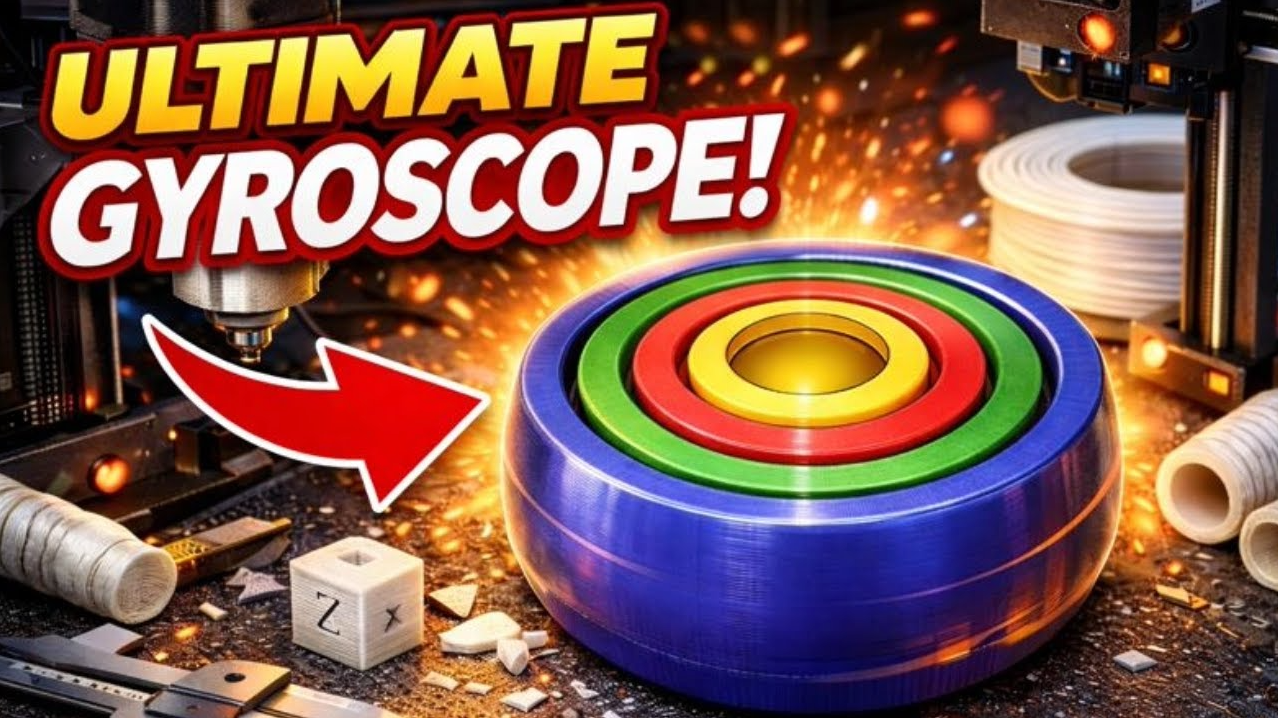
>Video 1: CAD to Spin: A 3D-Printed Gyroscope

Introducing motion, tolerances, and functional design

This first video uses a gyroscope to introduce one of the most important ideas in design: movement.

It’s a simple project, but it opens the door to understanding how clearances and constraints affect whether something actually works once it’s printed.

What students will learn:

  • How to create and constrain sketches in Fusion 360
  • How to use the revolve tool to build functional geometry
  • What tolerances and clearances are—and why they matter
  • How to design parts that move instead of fusing together
  • How to take a model from CAD into a slicer for printing
  • Understanding materials through real-world application

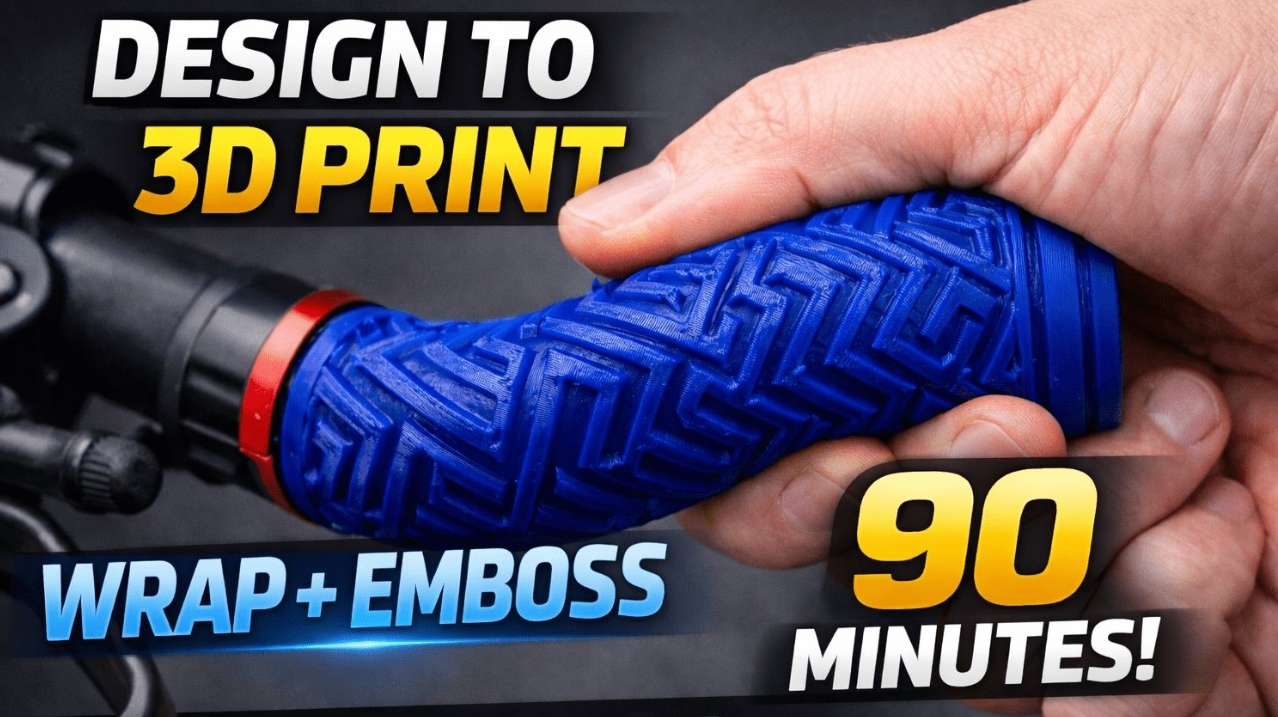
>Video 2: Designing with TPU: A Flexible Bicycle Handle

The second video shifts into materials, specifically TPU. Introducing materials beyond PLA helps students start thinking about function, not just form. This opens the door to projects like grips, wearables, and other real-world applications. What students will learn:

  • How TPU behaves compared to rigid materials like PLA
  • When and why to use flexible materials in a design
  • How to create a revolved part for a real-world application
  • How to convert images into SVGs for use in CAD
  • How to wrap and emboss patterns onto curved surfaces
  • How to prepare and orient flexible parts for printing

What’s Coming Next


In the next set of videos, Brian builds on these fundamentals and moves into more advanced, real-world applications of CAD and 3D printing, including:

  • Designing dual-material parts (like a phone case that combines rigid and flexible materials)
  • Preparing models for multi-material printing in the slicer
  • Using generative design tools to create more complex, optimized parts
  • Working with dissolvable support materials to unlock new geometries
  • Designing print-in-place mechanisms with moving components
  • Making design decisions that reduce print time, material use, and failed prints
    Each project builds on the last, giving students a clearer path from basic modeling into more advanced, engineering-focused design.

The Tools Behind the Series


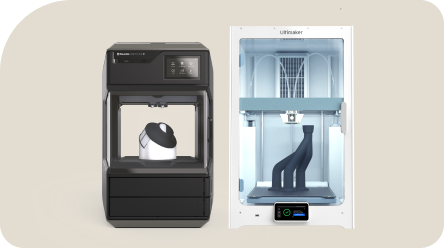
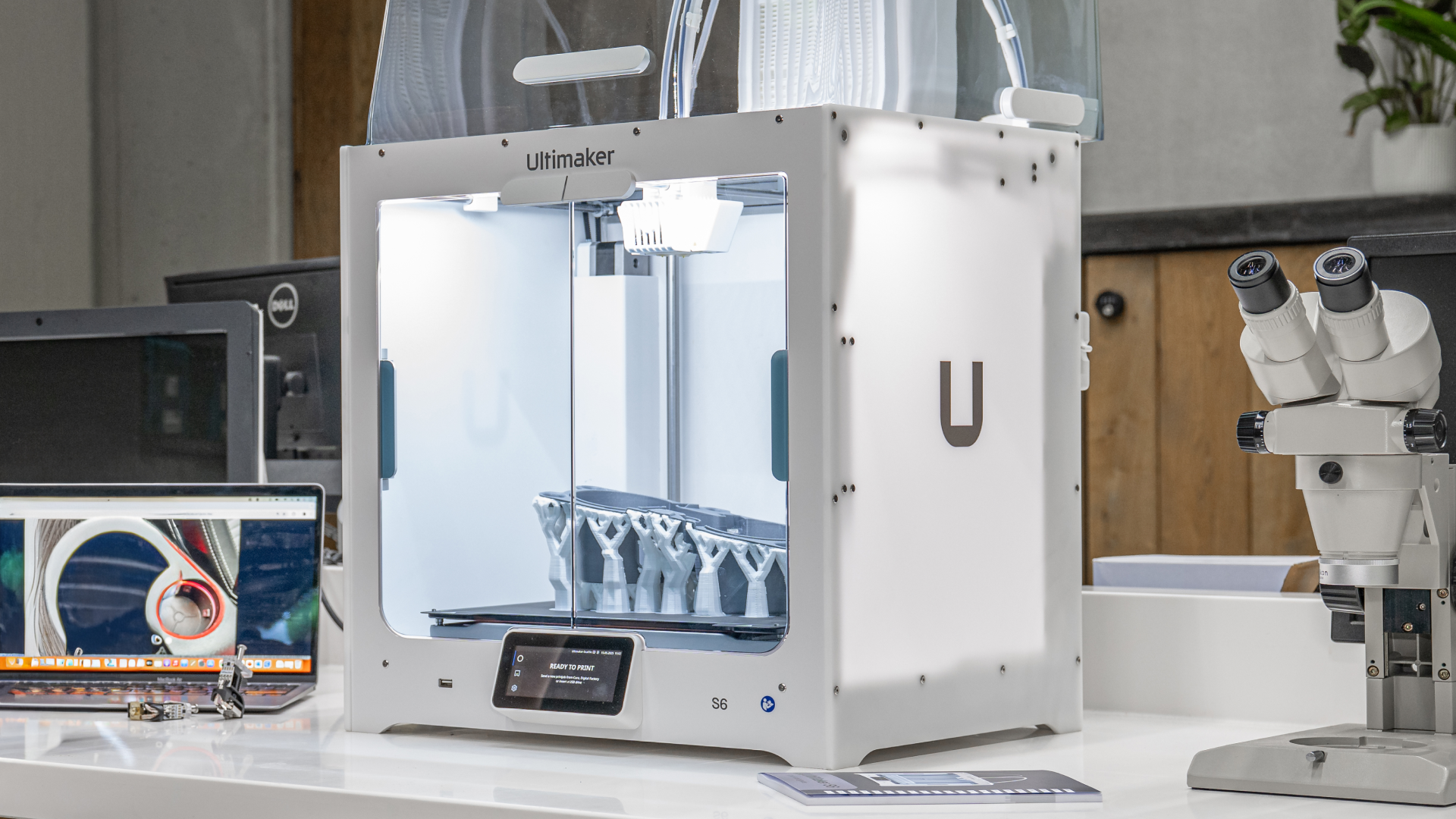
Throughout this series, Brian is using the UltiMaker S6 along with UltiMaker Cura to take designs from CAD to print.

One of the key advantages of the S6 is its ability to print with multiple materials using dual extrusion. That means students aren’t limited to a single material like PLA—they can start combining materials to design parts that are both rigid and flexible, or that require support structures that can be removed cleanly after printing.

This becomes especially important as the series progresses. Projects like the flexible handle and upcoming dual-material designs rely on being able to assign different materials to different parts of a model—something that mirrors how real-world products are designed and manufactured.

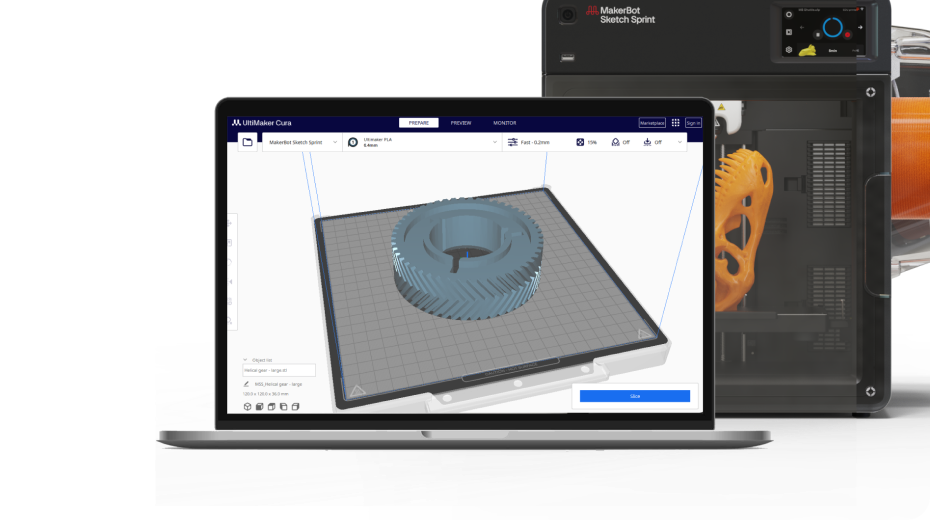
On the software side, Cura makes it possible to manage those material assignments, adjust print settings, and prepare more complex prints without adding unnecessary complexity for the classroom.
👉[Learn more about the UltiMaker S6]](https://www.makerbot.com/3d-printers/ultimaker-s6/)

About Brian Bobbitt

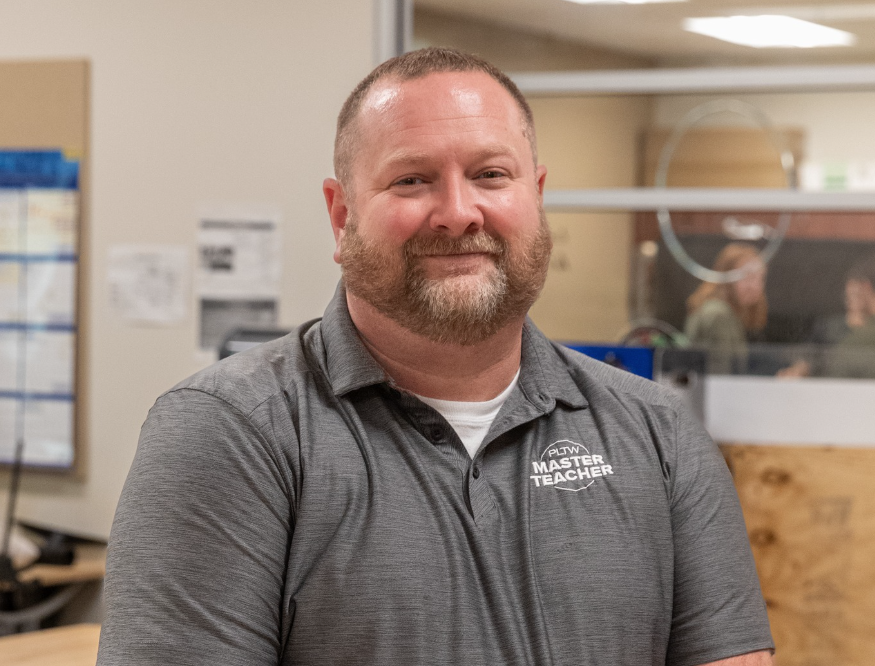
Brian Bobbitt is a Project Lead The Way Master Teacher who teaches engineering and design at the secondary level.
His work focuses on helping students move beyond basic modeling into real-world problem solving—connecting CAD, materials, and manufacturing in ways that make sense in the classroom.
In addition to teaching, Brian develops curriculum and shares classroom-ready projects that help educators bring more advanced 3D design into their programs.
You can explore more of his work at 3dbrian.com or on his YouTube channel, Brian Bobbitt 3D YouTube Channel.