How Humanos 3D Is Restoring Independence with 3D-Printed Prosthetics

Andrea Zermeno

March 4, 2026

Redefining Prosthetic Care Through 3D Printing

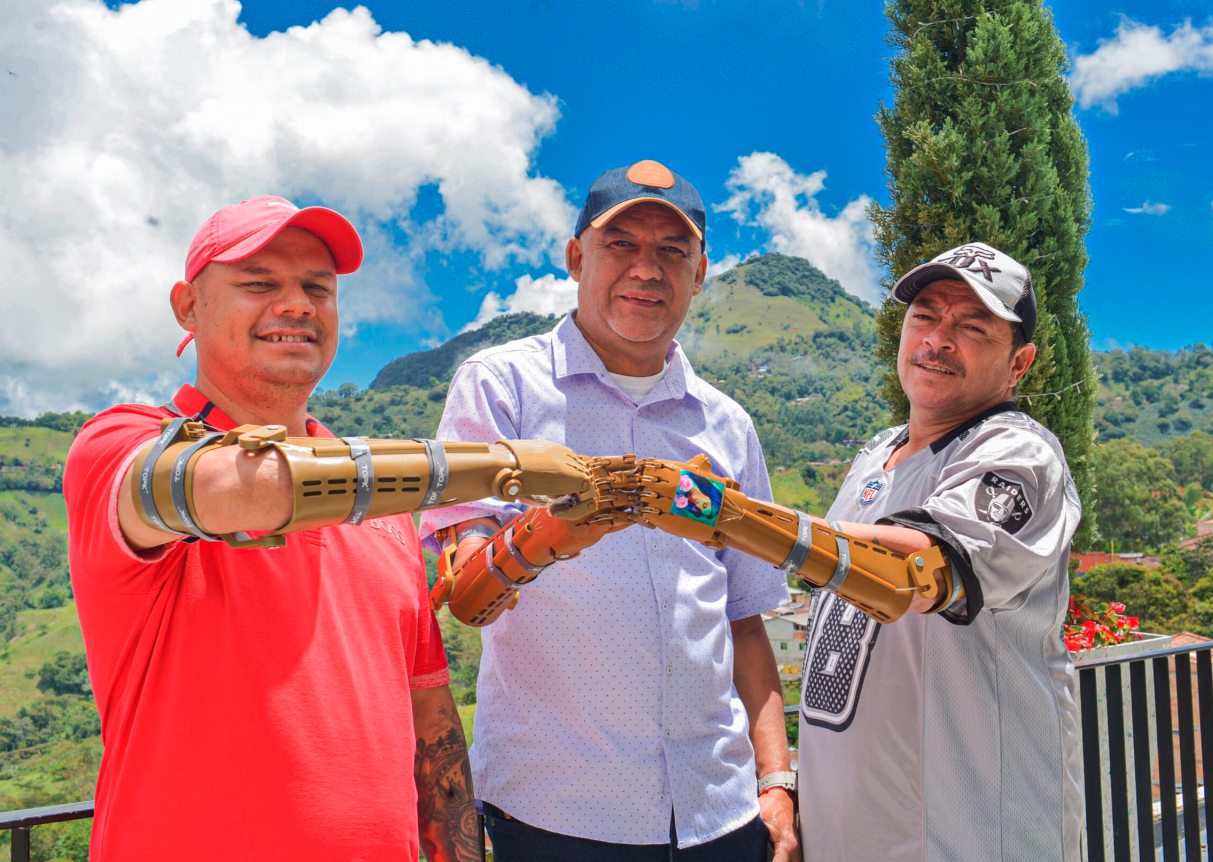
In Colombia, a nonprofit organization is using 3D printing to create custom prosthetic and assistive devices for people with upper-limb disabilities, many of whom live in rural or remote areas where access to traditional prosthetic care is limited.

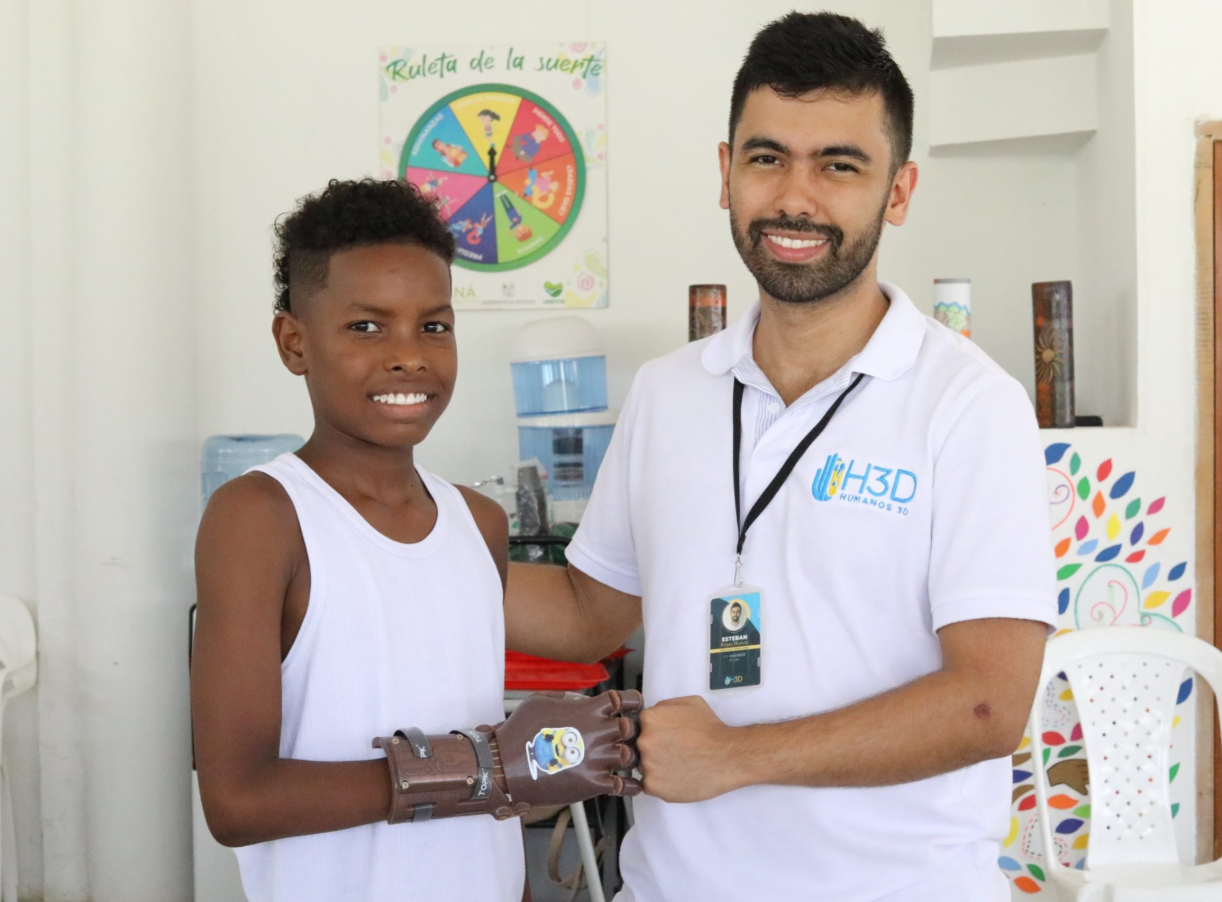
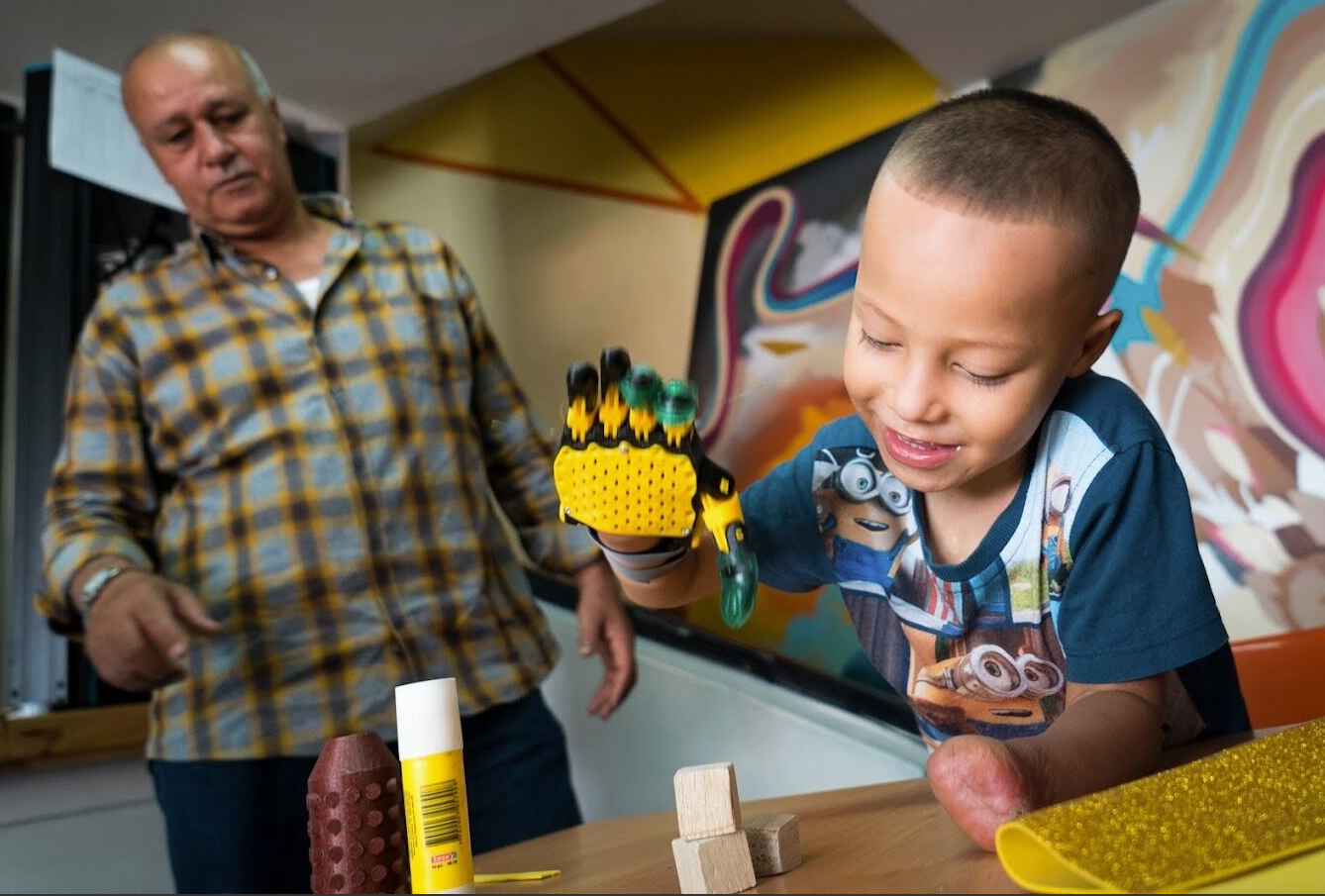
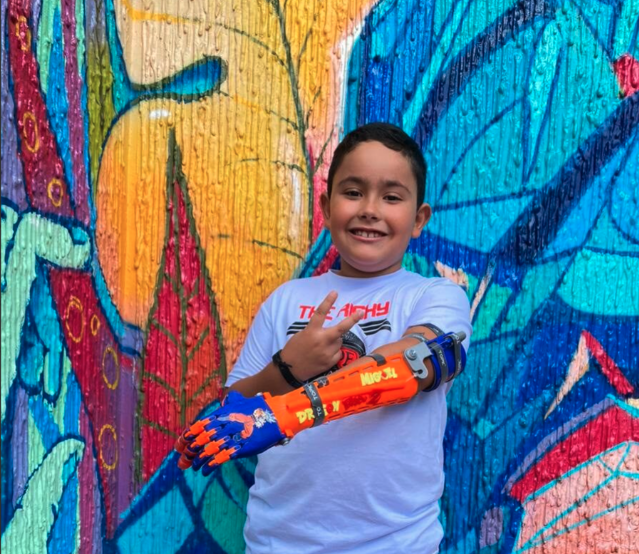
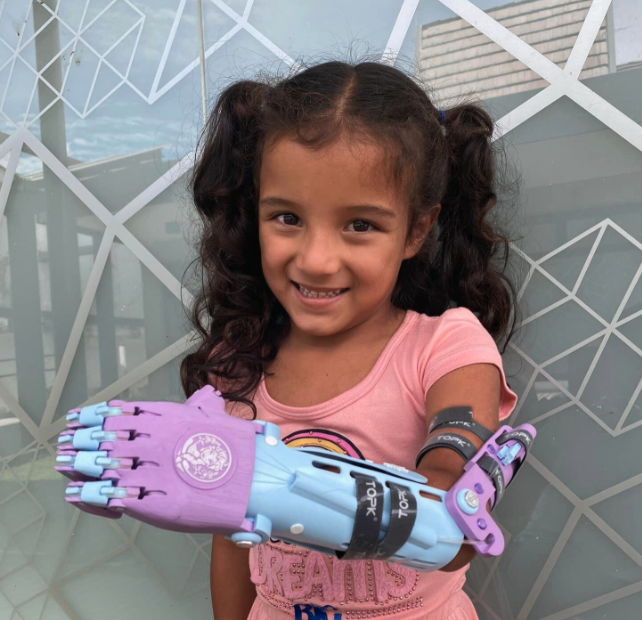
Founded in 2017, Humanos 3D designs lightweight, task-specific devices built around one central question: What does this person want to be able to do independently? Rather than producing standardized prosthetic hands at scale, the organization works closely with each recipient to develop solutions tailored to daily life, whether that means playing a sport, returning to work, or performing everyday tasks with greater ease.

“We ask recipients: What do you want to be able to do by yourself?”

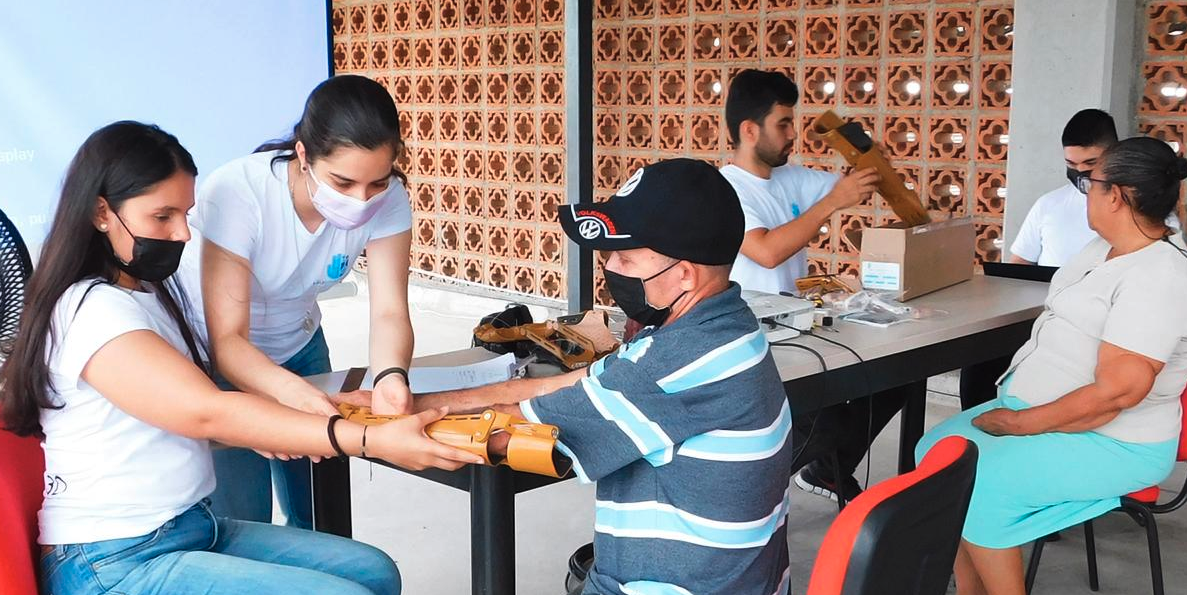
To date, Humanos 3D has worked with more than 500 individuals, traveling across Colombia through mobile clinics to reach communities that might otherwise go unsupported. Their focus is not volume, but long-term usefulness. Each device is designed to be practical, comfortable, and meaningful.

More Than a Standard Prosthetic

From the beginning, Humanos 3D has focused on more than simply producing prosthetic hands. “Our goal is not simply to produce large numbers of prosthetics, but to ensure that every device we deliver truly meets the needs of the individual,” says CEO Hugo Esteban Rojas Muñoz.

Early on, the team assumed that most people with upper-limb amputations would benefit from a full prosthetic hand. Over time, they realized that what many recipients truly needed was something more specific to their daily lives.

“We needed something more customizable since every single recipient we encountered had specific needs.”

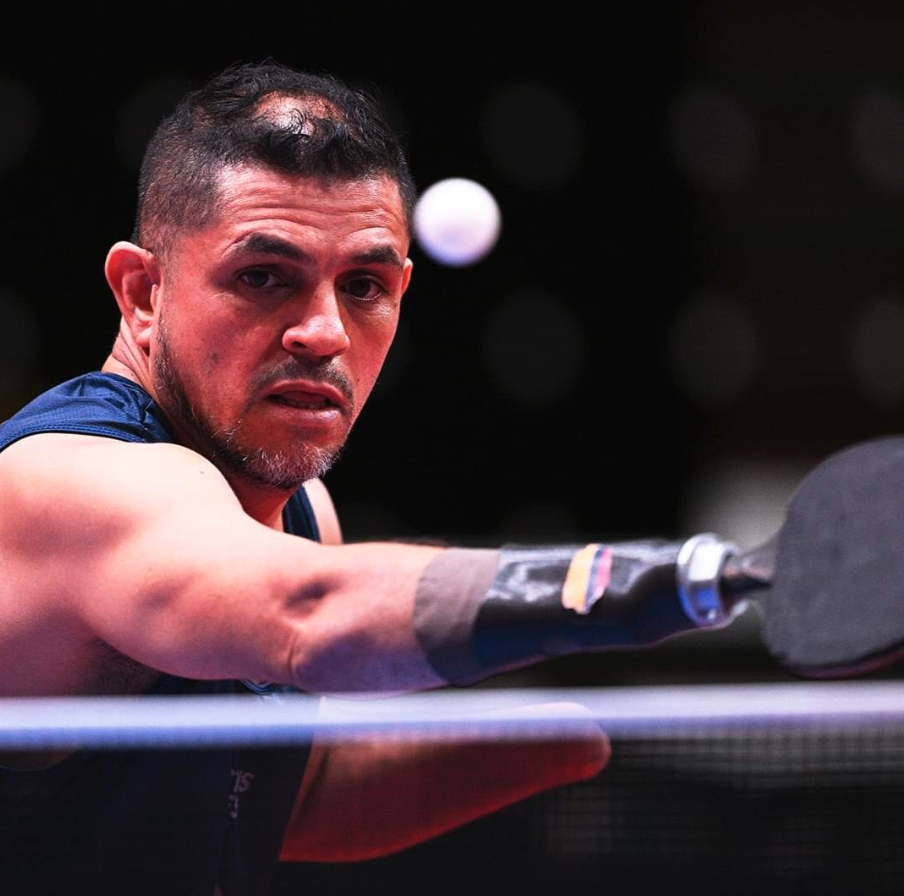
One recipient helped define that shift. He wanted to play table tennis. After receiving a general prosthetic, he explained, “I need something more specific for my activities.” The team had seen him taping a paddle to his forearm. Within weeks, using 3D scanning and printing, they developed a custom attachment that allowed him to return to the sport. He later competed in an international tournament in Germany.

For Rojas, the lesson was clear. “They just need to do the things that they want to do.” Instead of delivering standardized devices, Humanos 3D begins by listening and designing around the activities that matter most to each individual.

Professional Pingpong player with a paddle attachment

Why 3D Printing Changed the Equation

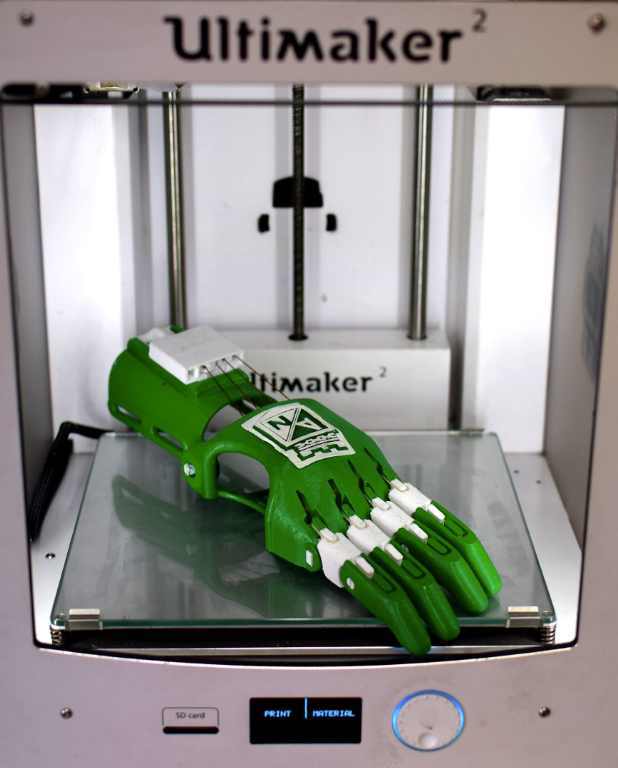
Humanos 3D began with a few 3D printers and a belief that technology could expand access to prosthetic care. Colombia is one of the world’s most heavily landmine-contaminated countries, with mines in 28 of its 32 departments due to decades of armed conflict. Upper-limb amputations have occurred for many reasons, but in rural regions especially, access to affordable prosthetic solutions remains limited.

The team initially worked with open-source prosthetic designs and quickly realized that standard templates were not enough.

“We needed something more customizable since every single recipient we encountered had specific needs,” Rojas explains.

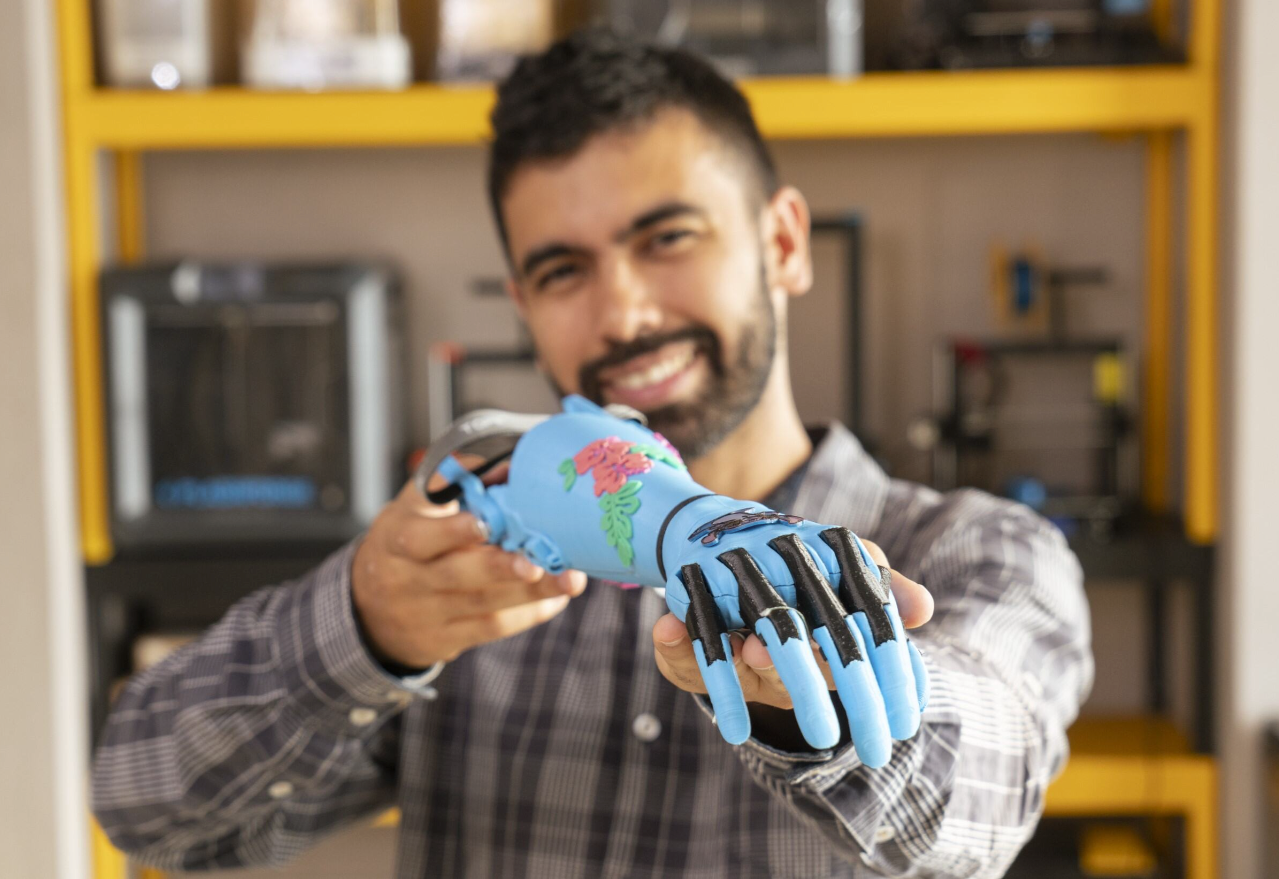
3D printing made that flexibility possible. Conventional prosthetics can be heavy and costly. “Usually conventional prosthetics are around 10 kilograms,” he says. “With a 3D-printed prosthetic hand it’s only around one kilogram or even less.” The technology also allows for personal expression. Recipients are not limited to clinical-looking devices. Colors, shapes, and aesthetic details can be customized so that the prosthetic reflects the personality of the person wearing it. As Rojas explains, with 3D printing, imagination becomes part of the design process.

Taking the Work to the People

Many of the individuals Humanos 3D serves live in remote or mountainous regions where traveling to a major city for prosthetic care is costly and difficult. Rather than waiting for recipients to come to them, the organization began bringing its work directly to communities through mobile clinics across Colombia.

Trust did not happen overnight. At first, families were cautious, unsure whether the devices were truly free or whether the project was real. But as recipients began using their prosthetics and sharing their experiences, confidence (and word-of-mouth) grew. “That trust is the foundation of what we do today,” Rojas says.

To date, Humanos 3D has worked with more than 500 individuals across Colombia. The model has since expanded internationally through pilot programs in Kenya and Rwanda, where the team partners with local universities and volunteers to raise awareness about disability inclusion and provide access to assistive devices.

The Personal Why

For Hugo Esteban Rojas Muñoz, the mission of Humanos 3D is rooted in something deeply familiar: access. He was born in a rural area of Colombia, where opportunities were not always within easy reach. Getting into university was a defining milestone, but attending meant traveling long distances and navigating systems that were not designed with students like him in mind.

While classmates from the city moved through campus life with greater ease and consistent access to technology, he often relied on the university library simply to use a computer. Some days there were no laptops available. The experience could feel discouraging and isolating.

Years later, during one of his first conversations with a recipient at Humanos 3D, he heard echoes of that same frustration. The individual spoke about how difficult it was to access support and how excluded he felt from society. The circumstances were undeniably different, but the emotions resonated.

“In that moment,” Rojas says, “I realized that despite our different circumstances, we shared a deep sense of empathy and understanding.”

Hugo Esteban Rojas Muñoz, CEO of Humanos 3D

“In that moment,” Rojas says, “I realized that despite our different circumstances, we shared a deep sense of empathy and understanding.”

That shared understanding transformed the work from a technical challenge into a personal commitment. For Rojas, restoring independence is not only about designing prosthetics. It is about ensuring that opportunity does not feel out of reach.

Community and How to Get Involved

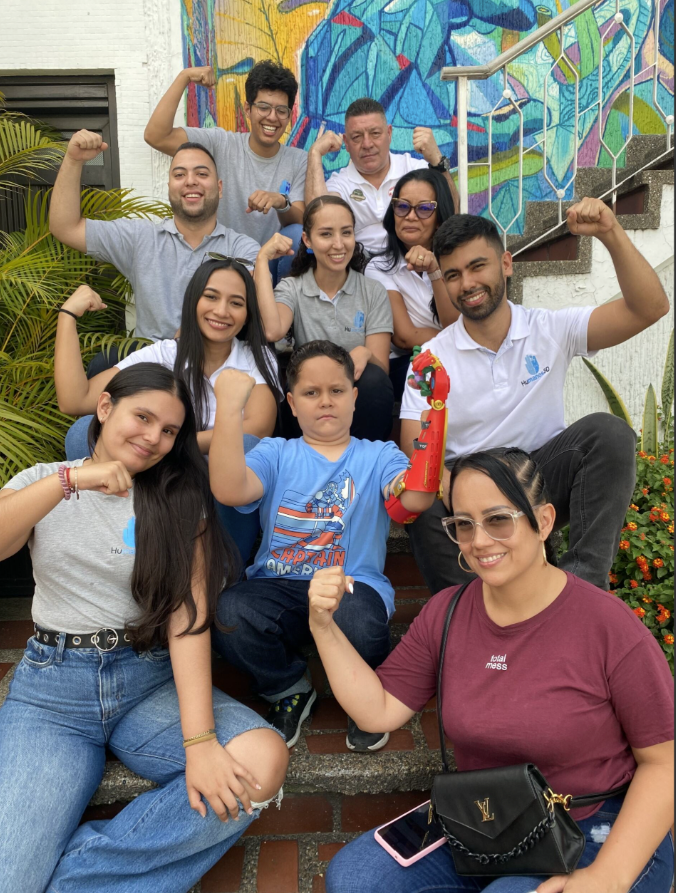
What continues to motivate Rojas is not only the devices themselves, but the community that forms around the work. Volunteers from across Colombia and around the world contribute their time and skills, whether through design, engineering, assembly, communications, or artistic support.

“We believe people from all backgrounds can make a meaningful impact,” he says. Even young people who simply want to learn are encouraged to join and grow alongside the project.

For those interested in getting involved, Humanos 3D begins with a conversation. Prospective volunteers can reach out through Instagram or the organization’s website, often starting with a short message explaining why they would like to contribute. Many roles can be supported remotely, while others take place at the organization’s office in Colombia.

Find Humanos 3D at https://humanos3d.org/en/we/ or on instagram @humanos3d Join Humanos 3D here.