When a Classroom-Favorite 3D Printing Project Meets the Sketch Sprint

Andrea Zermeno

February 9, 2026

Turning a Class Trip into a 3D Printing Project

Written by Keven Rinaman

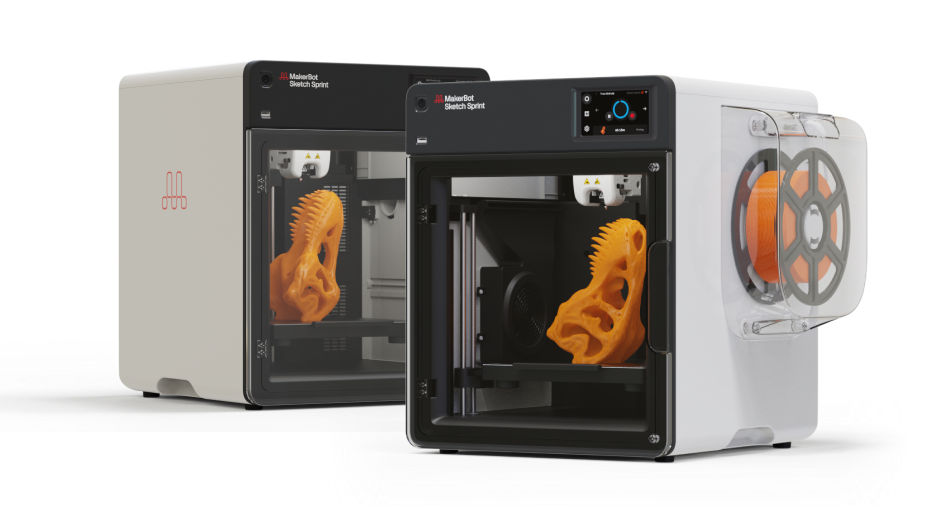
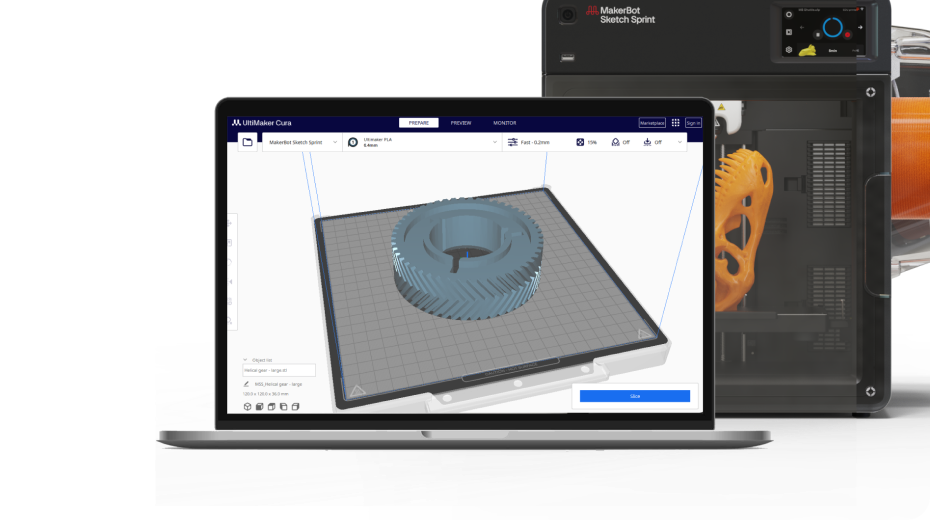
In the evolving world of education, technology isn’t just a tool—it’s a game changer. Over the years, I’ve integrated various MakerBot 3D printers into my classroom, and with each new generation, student learning has become more dynamic and engaging. This year, our Washington D.C. Monuments Project made its debut on the MakerBot Sketch Sprint—and the results were outstanding.

A Project Rooted in Purpose and Choice

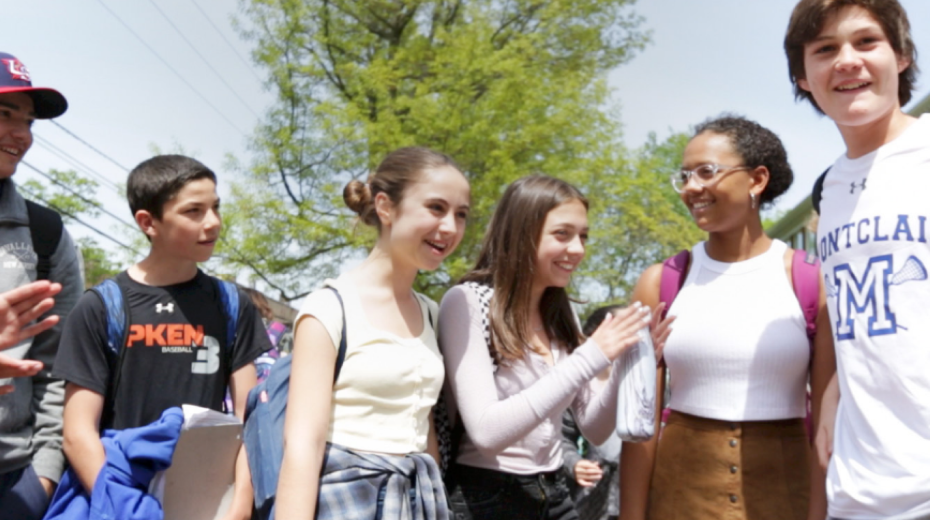
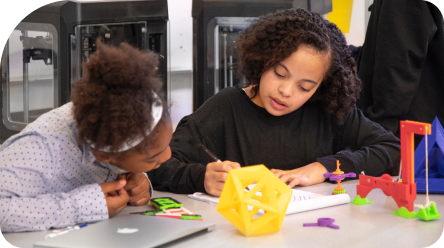
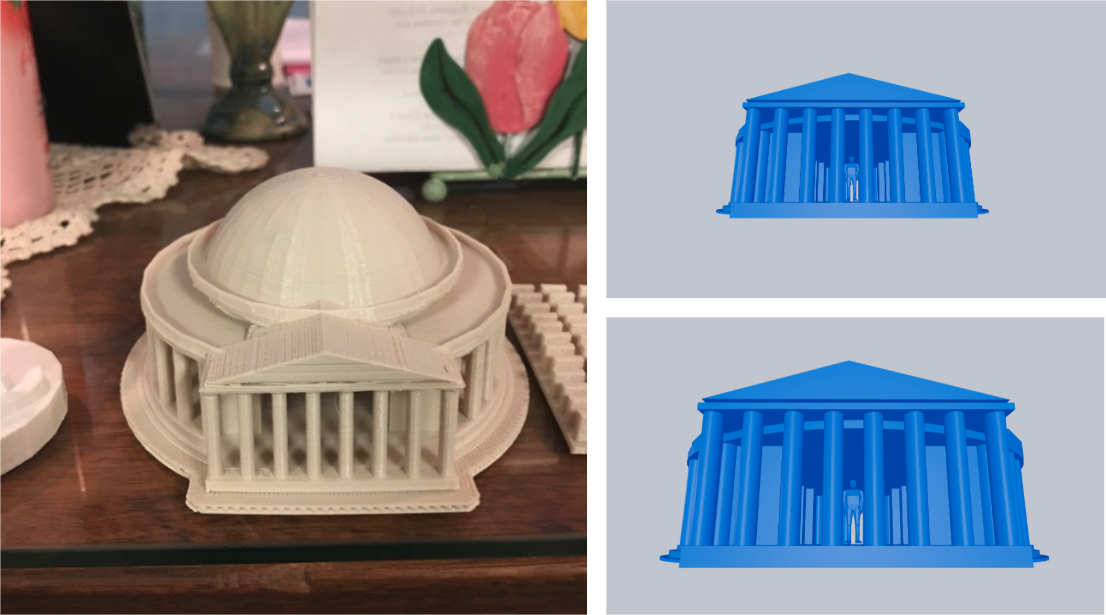
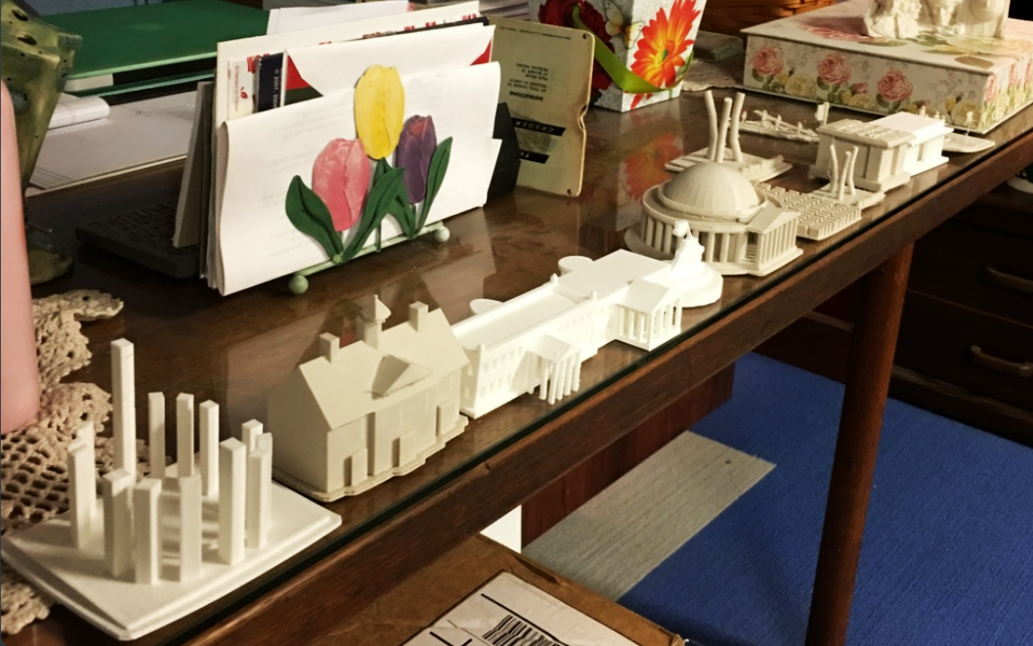
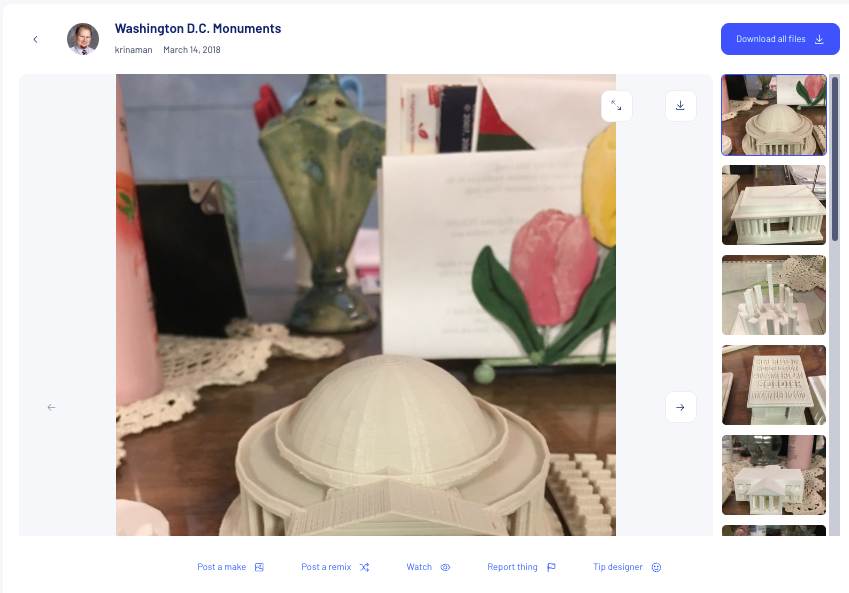
Each year, my students prepare for our class trip to Washington D.C. by engaging in a hands-on project that blends research, creativity, and real-world application. Using their itinerary as a virtual roadmap, students explore the city’s historical and cultural landmarks and select their top three monuments of interest. From there, they choose one of four roles:

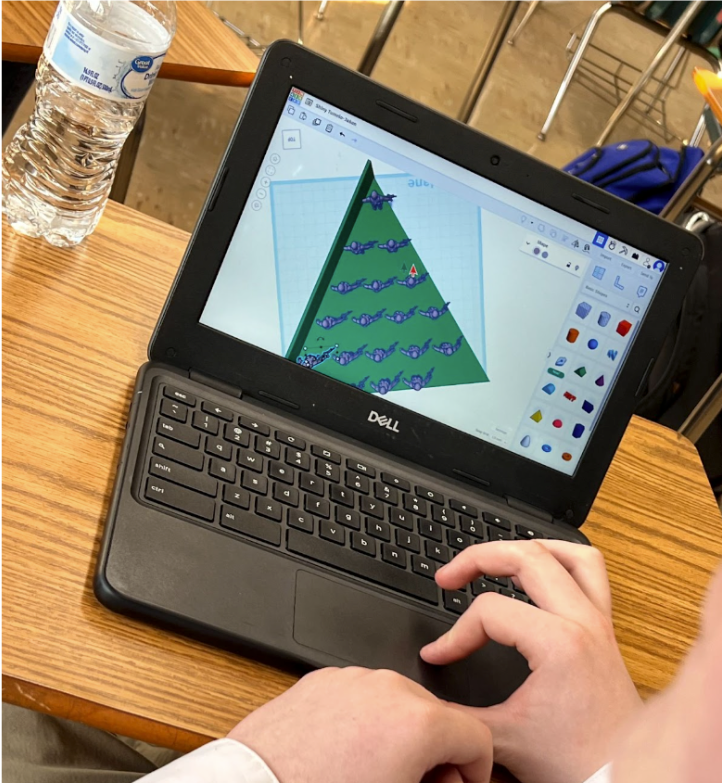
  • Architect – Designs a 3D model of the monument
  • Researcher – Gathers facts and historical context
  • Producer – Creates the presentation (slideshow, video, report, etc.)
  • Influencer – Presents the group’s work to peers and administration

We dedicate two days to virtual exploration, two to group collaboration, and one for presentations. This structure supports student choice and encourages interdisciplinary teamwork, communication, and engagement.

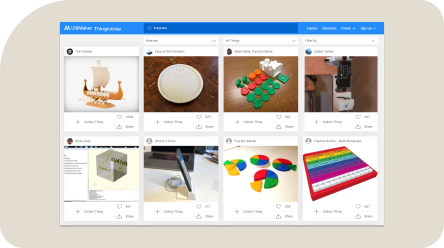
The lesson framework for this project is available on Thingiverse for educators looking to adapt it for their own classrooms: https://www.thingiverse.com/thing:2826075

Tech That Keeps Up With the Classroom

In past years, we relied on the MakerBot Replicator 5th Gen and Replicator+. These printers served us well, but time was always tight—especially when juggling multiple group designs. I still remember sprinting into school at midnight to grab a final print before our early-morning trip departure. That was a lesson in both timing and endurance.

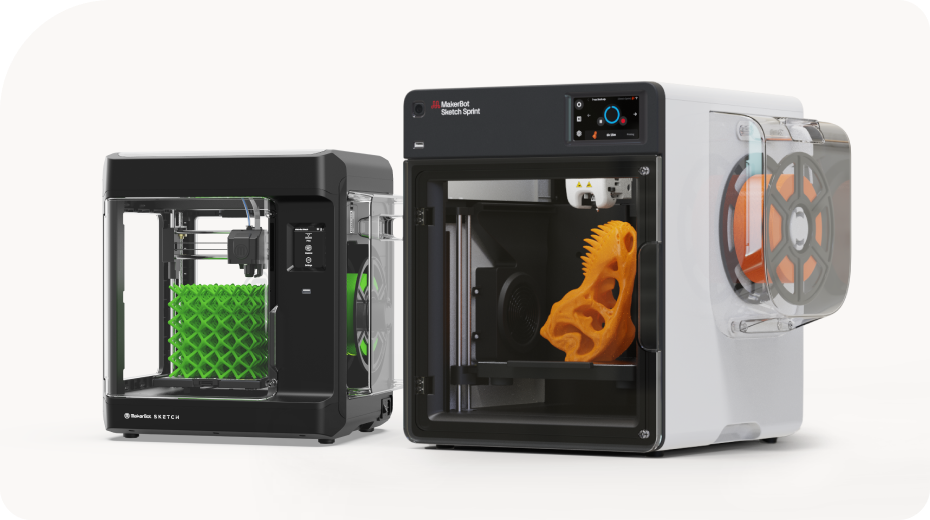
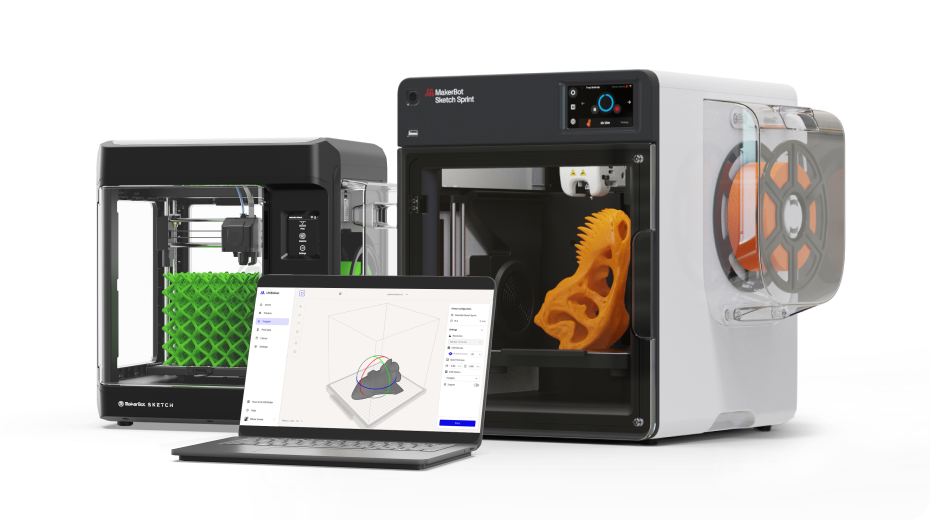
This year, switching to the MakerBot Sketch Sprint changed everything.

Its faster print speed—reducing print time by approximately 33% compared to our previous machines—meant less stress and more flexibility. Projects that once took 3 hours now finish in 2, with the same infill, shell, and layer settings. The Sketch Sprint also brings much-needed reliability: the enclosed print chamber and heated bed dramatically reduced failed prints, while increasing safety in a busy classroom full of curious hands.

For educators, that safety feature is critical. The enclosure provides peace of mind, allowing hands-on learning to flourish without risk.

The Takeaway

Upgrading to the MakerBot Sketch Sprint has transformed our 3D printing workflow and amplified what’s possible in our learning environment. With fewer delays and more consistent prints, I can shift focus from troubleshooting to what matters most—student collaboration, creativity, and communication. These are the kinds of skills that last well beyond the school year.

The success of our Monuments Project is just the beginning. With reliable tools and inspired learners, there’s no limit to what we can build together.

Other Projects That Made an Impact

Our 3D printers have opened doors to learning across subject areas and school activities. This spring, our theatre department staged Shrek the Musical, and we saw a creative opportunity to support them. We designed and printed Shrek ear headbands as souvenirs—an instant hit with kids in the audience. Not only did it make them feel part of the show, but it also raised funds to support the performing arts.

And during the COVID-19 pandemic, our school community joined forces with other schools and local businesses to print and donate face shields to nearby medical facilities. It was a powerful moment where technology, empathy, and collaboration came together for a greater good.

About the Author

Keven Rinaman is an educator, author, and the Director of Innovation and Educational Technology at Calvert Catholic Schools. He has taught history, math, and technology at the middle and high school levels and served as a technology director and Dean of Students. Keven has also coached wrestling, golf, baseball, and esports.

He holds degrees from Heidelberg University and Western Governors University, and he currently serves as an adjunct professor at Tiffin University. He is currently working on his Doctorate of Education with a specialization in Instructional Design and Technology.

Keven is the author of 3DU: A Guide to 3D Printing in Every Classroom and host of the Magic Potion EDU podcast. He has presented at national and regional conferences including FETC and OETC. Recently, Keven and his son Cooper released Tinker Kid and the Case of the Wobbly Desks.

Connect with Keven: Email: [email protected] Twitter/X: @kevenrinaman