MakerBot Gives Back: Supporting K–12 Educators with the MakerBot 3D Printer Grant

Andrea Zermeno

January 8, 2026

MakerBot Gives Back: Over $100,000 in 3D Printing Grants Supporting K–12 Educators

At MakerBot, we believe that meaningful access to STEM tools can help educators unlock new ways for students to learn, create, and problem-solve. The MakerBot Gives Back Grant was created to support educators and schools that are working to bring hands-on learning into classrooms with limited access to advanced technology.

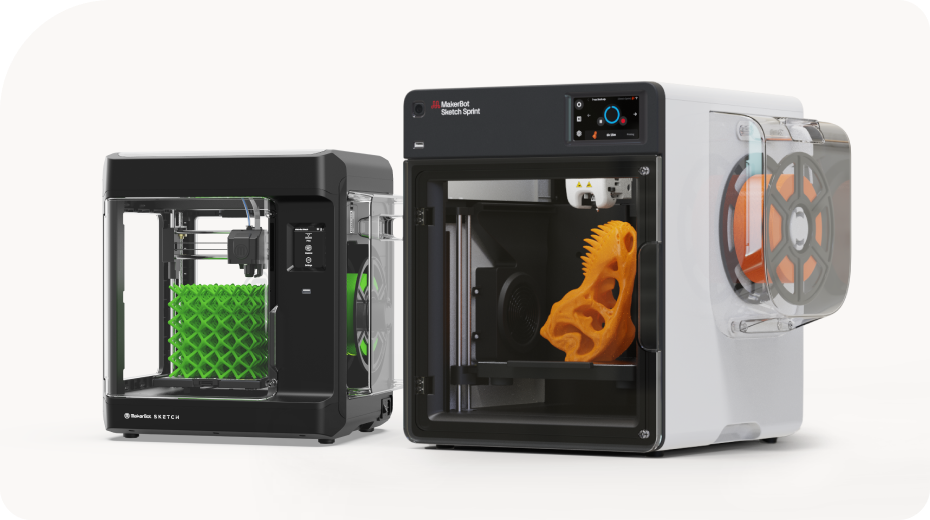
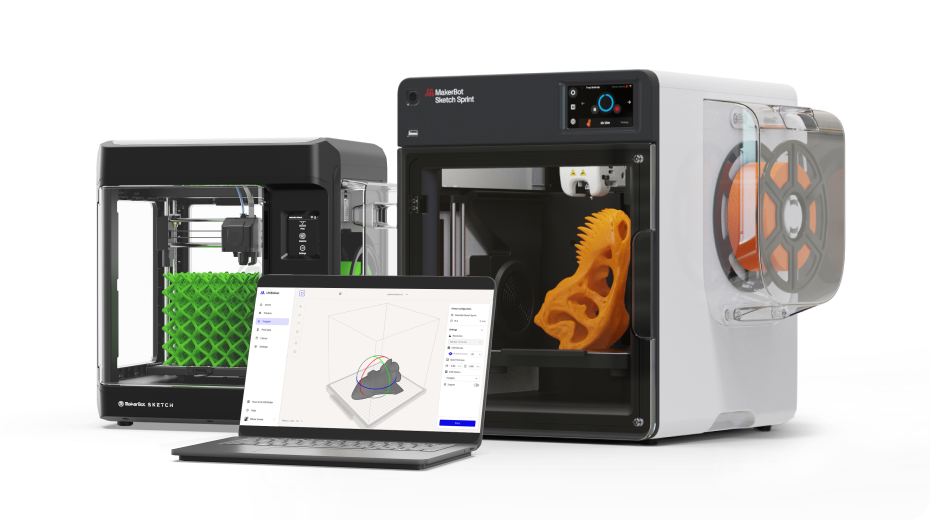
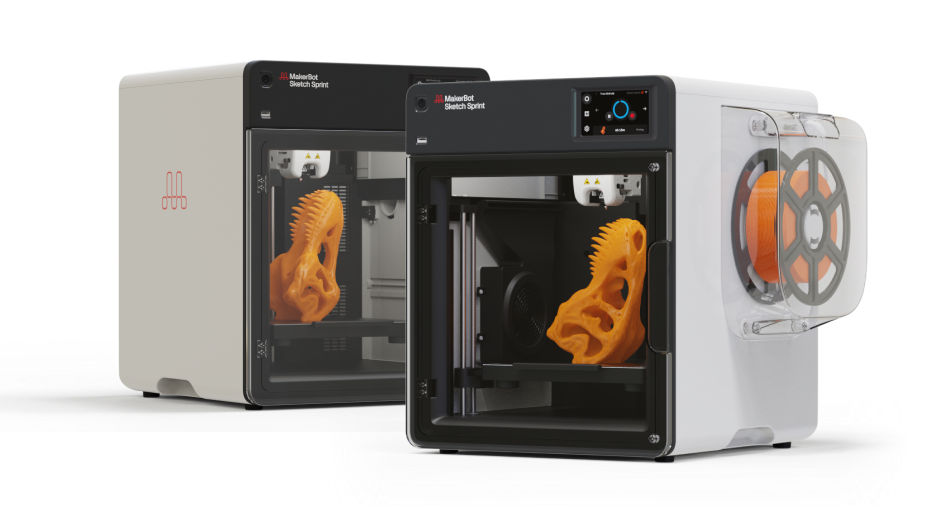
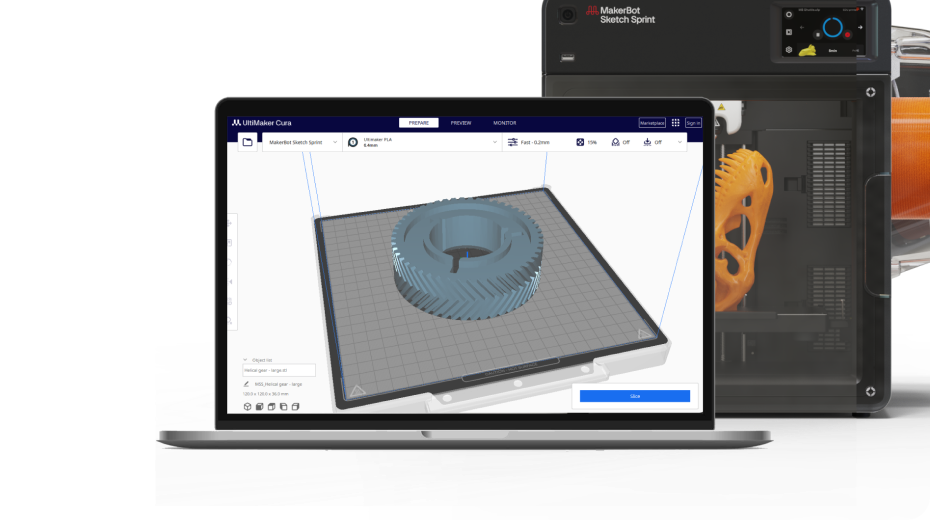
This grant cycle, MakerBot awarded over 30 grants, each valued at more than $4,000, amounting to over $100,000 invested directly into K–12 classrooms across the United States. These grants provided educators with full MakerBot Sketch Sprint 3D printing bundles—helping expand access to 3D printing for students across elementary, middle, and high school learning environments.

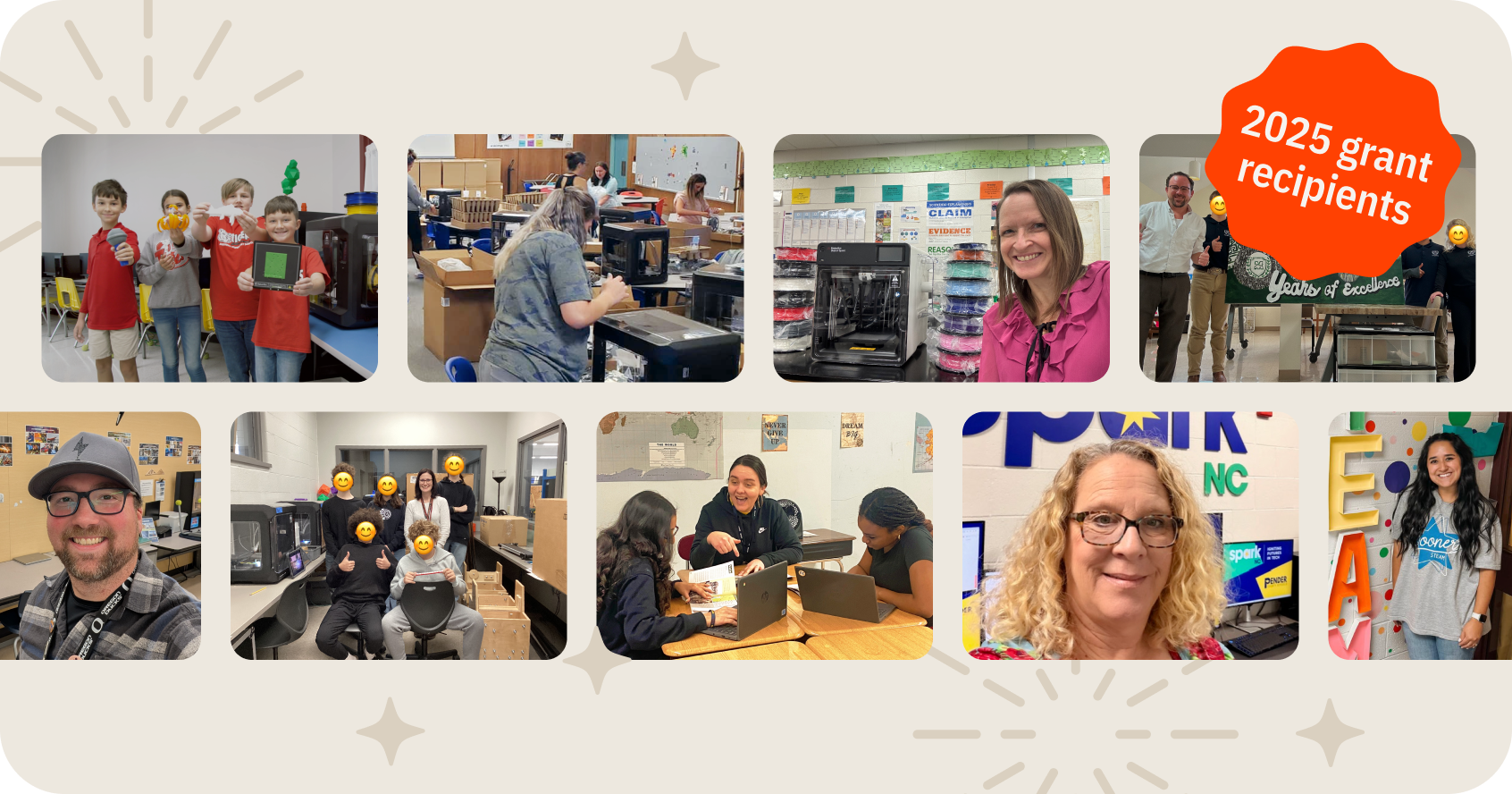
Below, we’re proud to highlight 17 of the grant recipients who shared more about their classrooms, students, and plans for integrating 3D printing.

Grant Recipient Spotlights:


Stephanie Fernandez

7th & 8th Grade U.S. and New York History Teacher

Cross Hill Academy Yonkers City School District • Yonkers, NY

"Receiving the MakerBot Gives Back Grant is the best news I received in 2025! My students are so excited to be able to see their ideas brought to life and have a tangible product of all their hard work! I can't wait to see how this helps to grow their confidence and problem solving skills. Thank you MakerBot!"

I plan to use the MakerBot printer to enhance learning in my classroom by having students utilize 3D design to apply their understanding of social studies concepts and content. My 8th graders already design monuments to honor historical events and figures as well as design products to address modern social issues that are similar to those the Progressive Era reformers tackled in the past.

Having a 3D printer will allow students to see their ideas come to life! As the Student Council Advisor, I also hope to facilitate school wide initiatives that challenge our entire student body to identify problems in our school and local community and to 3D design possible solutions.

Nicole Ayers

STEM Instructional Coach

Texas Middle School Texarkana ISD • Texarkana, TX

“This grant serves as the catalyst for our Digital Fabrication Lab, empowering Texas Middle School students to bridge the gap between digital design and physical innovation using MakerBot technology”

At Texas Middle School, the MakerBot 3D printer will serve as the cornerstone of our Digital Fabrication Lab, transforming abstract concepts into tangible realities. Students will engage in a hands-on "design-to-prototype" workflow, using CAD software to engineer solutions for real-world problems.

By mastering this technology, students will gain essential 21st-century skills in spatial reasoning and technical literacy. The MakerBot bridges the gap between digital imagination and physical manufacturing, ensuring our students are not just consumers of technology, but the next generation of creators and engineers.

Rachel Brainard

Lead Teacher, Grades 9-12, Algebra 1, Algebra 2, Geometry, Data Science, Robotics, AI/Forensic Science

Proud to Partner Leadership Academy State Charter • Oklahoma City, OK

“This grant will open my students' eyes to new levels of design and engineering that they never thought they would be capable of achieving. I'm so excited to see their ideas come to life!”

Using the MakerBot 3D printer in my classroom will allow students to have practical knowledge with design, engineering, and scientific modeling. We will design and print anatomical models to include the MakerBot printer into our science program. Students will design 3D models of organs, bones, or whole body systems to help them see and grasp difficult biological structures. This initiative will combine technology, creativity, and scientific learning which will reinforce digital literacy and content knowledge.

Students will work together, troubleshoot design problems, and hone critical-thinking and problem-solving abilities throughout the process. I hope to inspire inquiry, involvement, and a greater respect of how technology might improve learning across several disciplines by including the MakerBot printer in my classroom.

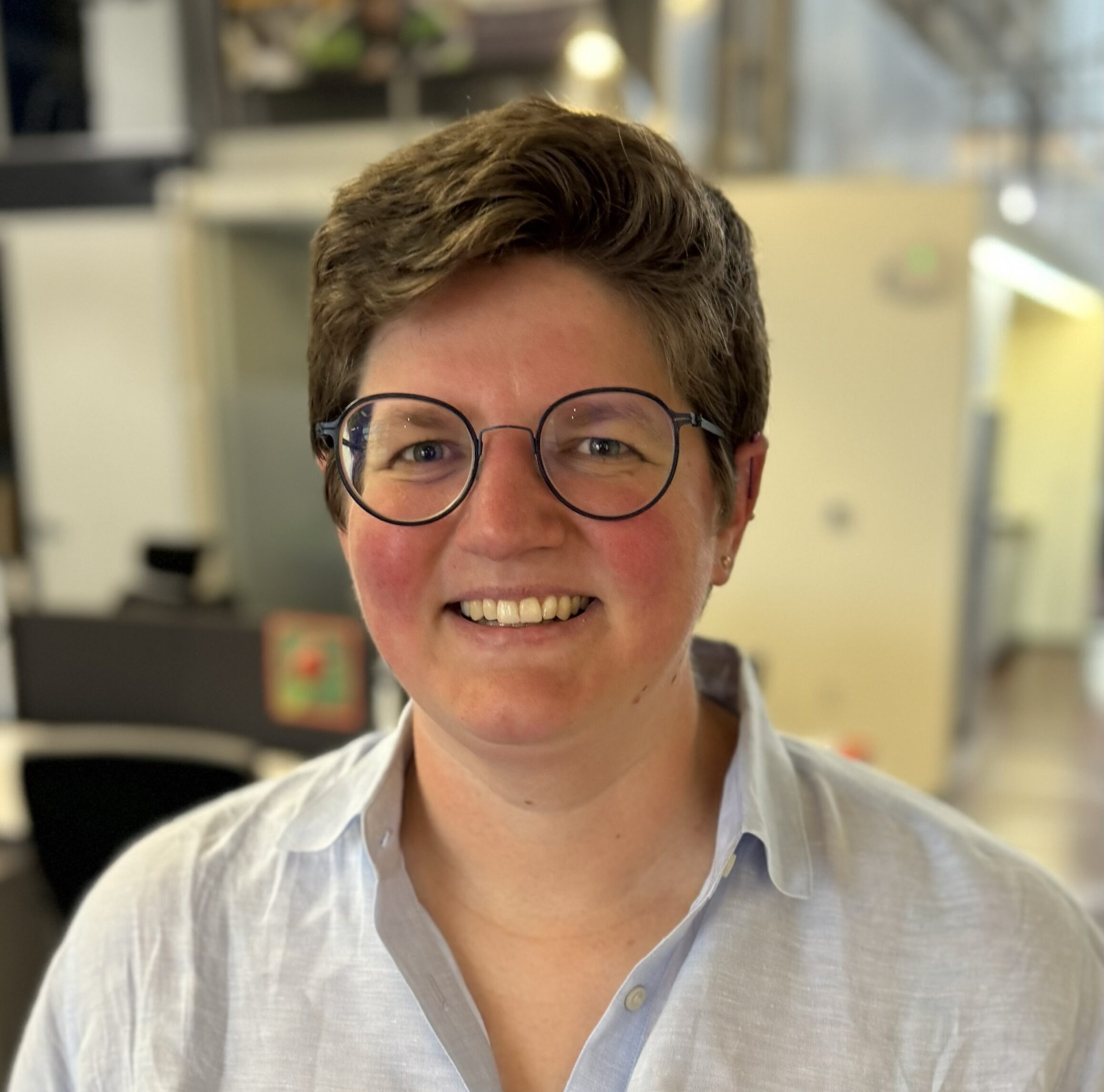
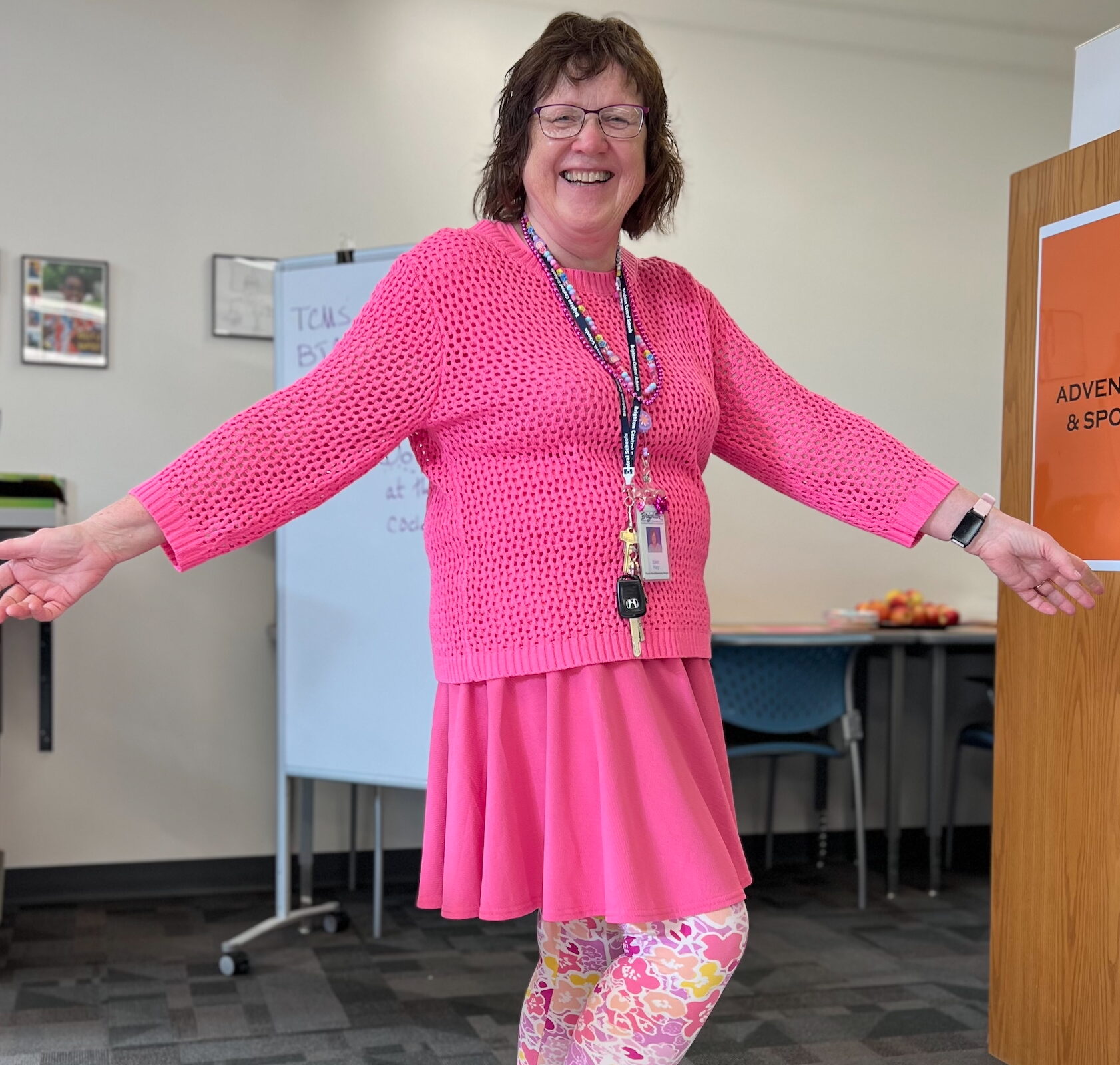
Ellen Z. Harp

Middle School Technology Education Teacher

Twelve Corners Middle School Brighton Central School District • Rochester, NY

"This grant came at the ideal time when I was struggling to help my students make the transition from two-dimensional drawings on paper to three-dimensional models in real material. With a printer in the room, even just watching the printing process will help with that difficult jump to spatial reasoning!”

I have seen that 3D printing is an attractive and motivating way to help students come up with their own ideas about a problem solution, sketch out a prototype, and create a drawing or file that can be printed. This enlivens the traditional problem-solving and mechanical drawing process when their IDEA can actually be manufactured before their eyes! They can hold it in their hands and turn it over to see what it looks like in three dimensions. Sometimes students who do not always succeed in the worksheet environment are very skilled in this process. I did not have access to this technology as an engineering student or working engineer; it would have made a world of difference.

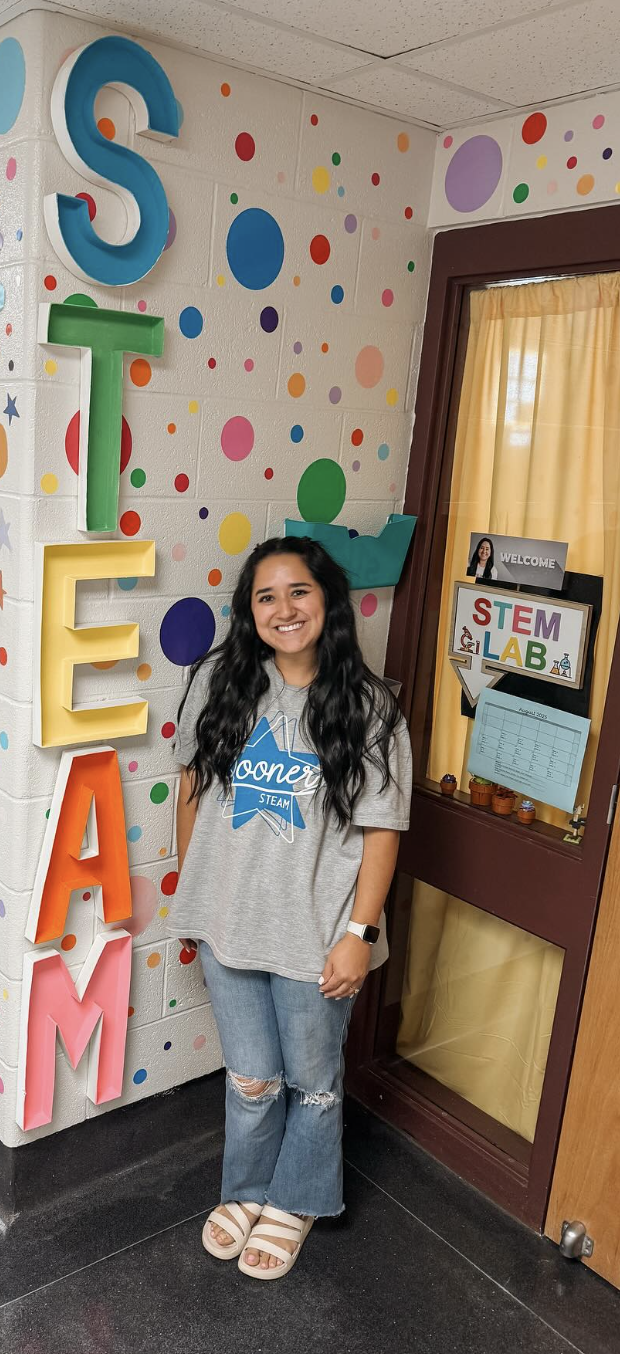
Lauren Nicole Hernandez

STEAM Teacher

Sooner Elementary Moore Public Schools • Moore, OK

“This grant will open a door for my students to explore, design, and problem solve in a real, hands-on engineering way. Access to 3D printing will allow them to turn their creativity into creations and see themselves as the innovators they are."

Through our collaborative learning, students are encouraged to take risks, ask questions, and see that their mistakes are an essential part of the engineering design process. With access to the MakerBot 3D printer, students will be able to move beyond the digital designs and create ideas that reflect their learning and creativity. This opportunity will empower our students, the future of our society, to learn from trial and error, iterate on their ideas, and gain confidence as creators. By embracing their mistakes and learning how to fix them, students develop creativity, resilience, and skills needed to succeed in our ever-changing world.

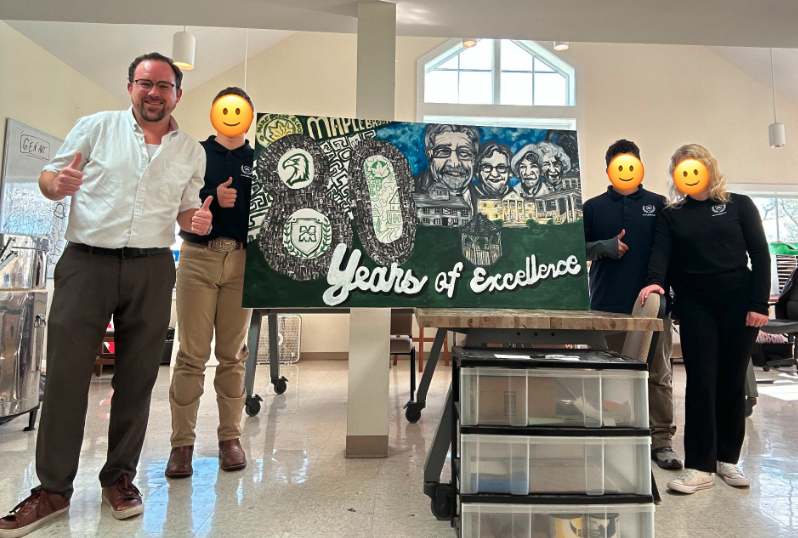
Wade Crow

Art & Design, Technology, and Transition Instructor

Maplebrook School & The Ascent International School at Maplebrook Private School • Amenia, NY

“This will change our students' way of thinking about creativity as a tool for success, which will change some of their future potential in drastically exciting ways!”

With classes of 8 to 16 students, the MakerBot 3D printer will move ideas from sketch to functional object while building confidence and employable skills. We’ll start with foundational CAD in Tinkercad, then produce fully functioning hinge prints, interlocking parts, and simple mechanisms that teach tolerances, determination, and problem solving. Students will convert 2D logos and layouts into reliefs, badges, and sculptural studies; our Set Design ADV program will print lightweight props, textures, and adapters that accelerate theater builds; and in Coding and Technology, students will design custom cases and mounts that bring electronics projects to life. Transition and Portfolio courses will emphasize file prep, version control, troubleshooting, and quality checks, with process documentation for career readiness.

Erin Hansen

STEM Teacher, AOPA Aeronautics Grades 9, 10, 11, 12 and Robotics

Marietta High School Marietta City Schools • Marietta, GA

“This MakerBot turns my classroom into an imagination station. It turns "What if?" into "Watch me make!" and proves that the next great engineer is already sitting in my classroom.”

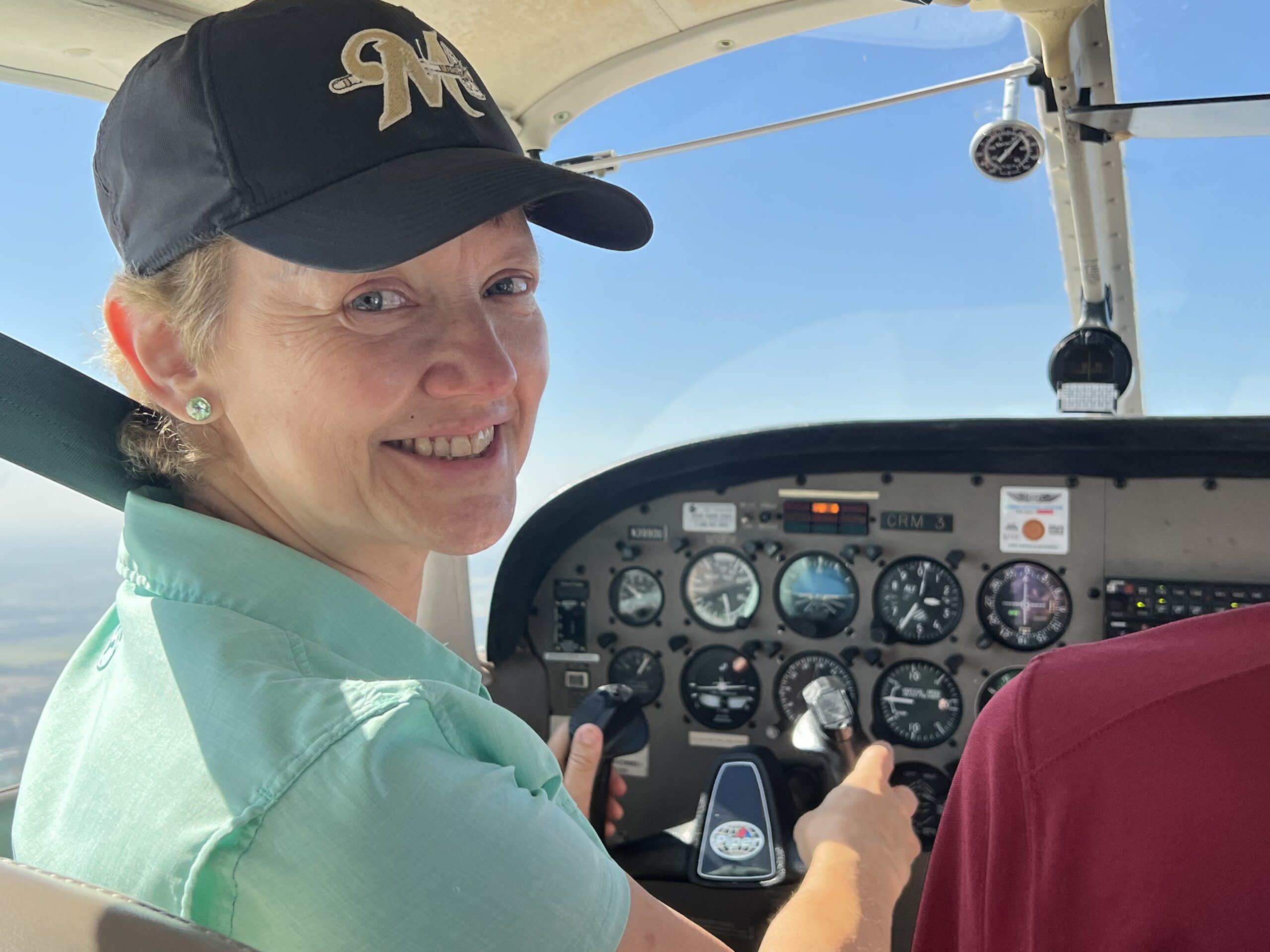
As an AOPA Aeronautics and Robotics teacher for grades 9-12, I will use the MakerBot 3D printer as a prototyping hub for both classes. In AOPA Aeronautics, students will design and print scale airfoil models and test them in wind tunnels to measure the amount of lift generated by the airfoil. A dedicated "Print for Purpose" workstation will host before-school open labs, allowing students the time to design and print drone blade guards or propellers.

All files will be archived, creating a district STEM repository. The goal is that by spring, seniors will leave with a portfolio of 3D printed objects and the knowledge of moving from sketch to physical model. I have a large segment of my classes that are ELL and special ed. Turning my classroom into a project-based learning center will benefit their unique learning styles.

Jennifer Corpier

Library Media Specialist / Concurrent Education Instructor

West Side School West Side School District • Greers Ferry, AR

“I am excited to be able to bring the world of 3D printing to my students and see what worlds this technology opens up for them!! I cannot wait to showcase their collaborative creations with our entire school.”

The MakerBot encourages 21st century skills such as collaboration, digital literacy and innovation. Being in a low socioeconomic school district in a very rural area, the MakerBot will open opportunities to my students that they do not have access to in our area. I am excited to share what my students create with the entire school community and beyond!

The MakerBot 3D printer will be used to connect STEM learning and literacy connections. It will be used for inquiry based learning where students will do research and design a project based on this research. These designs will be displayed in the library for all students to enjoy. This will foster a sense of pride and ownership for the students that design these projects. Students will be able to utilize the printer to create elements for their future classrooms that will encourage engagement for students and support diverse learning styles. My students will be able to design and create manipulatives as well as models and learning aides that will help tactile and visual learners.

Devlyn Brazel

STEAM & CTE Teacher

Timber Ridge School Greater Albany Public Schools • Albany, OR

"Thank you for funding our Makers Lab! I can't wait to bring in a new, updated printer and put my students to stress testing the printer with their 3D designed projects!"

This grant is crucial for transforming our current 3D printing access from a limited introduction into a truly equitable and in-depth learning experience. While our single printer allows students to learn the basics, it creates a significant bottleneck, preventing most of the 160 students from actually printing and testing their unique designs. Adding a MakerBot will eliminate this barrier, empowering every student to fully engage in the iterative design thinking process by moving their individual projects from digital concept to physical creation.

The MakerBot printer will fundamentally enhance learning by transforming abstract, complex concepts from our STEAM curriculum into tangible objects that students can hold, test, and analyze. This crucial step from digital model to physical prototype allows students to directly engage with the iterative nature of design, enabling them to physically identify flaws and refine their work in a way screen-based learning cannot replicate.

Julie Purdy

5th Grade Teacher

Lincoln Elementary School Huntington County Community School Corporation • Huntington, IN

"The only thing stopping us now is our perceived limitations"

Science - students will research ecosystems and use the 3D printer to print and assemble ecosystems. The students will then put together a presentation that can be shared with parents and community members at a school function.
Math - students will use the 3D printer to make tesselation pieces that can be printed and used during our Math Night.
English - our school data has shown us that the students are struggling with complex vocabulary..we would use the 3D printer to make representations of those vocabulary words
Social Studies - we are going to host a 50 State Float Parade...the 3D printer will allow the children to make replicas of "their" states features...landforms…

I FULLY expect these plans to change after learning, experimenting and receiving training.

Tom Davies

Lead Teacher

Variety School of Hawaii • HI

My name is Tom Davies and I’m a Lead Teacher at Variety School of Hawai'i. I teach Tech, Math, and SEL to neurodivergent students. As someone with ADHD, I know that using different technologies and creative tools can really open up the way we learn—and honestly, it's just super cool. We are so excited to see what new lessons we can do with this grant. Our students are amazing, and this is going to bring even more creativity and teamwork to our classroom.

Crystal McDowell

Secondary Science Educator (Grades 9–12)

Greenbrier High School Columbia County School District • GA

“I am excited to see what my students create. This is a learning curve for us all but we are ready for the challenge and we could not actualize these ideas without MakerBot’s support!”

The MakerBot printer will:
• Help my AP with WE Service students design and 3D print a giveaway for their Public Service Booths at events for Public Health Awareness
• Setting up a 3D Printing workshop after school event (over multiple weeks) to help students learn CAD and to print their designs.
• Incorporate a design project and 3D printing project into Human Anatomy and Physiology.

Emily Indelicato

Librarian

Locust Grove Primary School Henry County Schools • GA

"The library is already a place our students love, and this 3D printer will help make it even more engaging by connecting books with hands-on creativity! Thank you again for supporting educators and students. I am incredibly grateful to have been chosen as a recipient. I can’t wait to get started and to share how our students use this resource in our library!"

My name is Emily Indelicato and I am the librarian at Locust Grove Primary School in Locust Grove, VA. The 3D printer will be used in our K–2 library to help connect reading with creativity and hands-on learning. I want the library to be a place where students don’t just listen to stories, but interact with them and build from them.

The printer will be available during library classes, makerspace time, and small group activities so all students have a chance to participate. Overall, it will help turn our library into a space where creativity, confidence, and a love of reading can grow together.

Adam Parente

Technology Education & Business Education Teacher (Grades 6–12)

Comsewogue High School Comsewogue School District • NY

"Receiving this grant will give my students the opportunity to grow their STEM skills through creative, hands-on learning. They will be able to see their 3D designs come to life, explore how 3D printing works, and engage in rapid prototyping and innovative design challenges. This experience will deepen their understanding of technology and empower them to think like designers and problem-solvers."

I plan to use the MakerBot 3D printer as a core tool for hands-on, project-based learning across multiple grade levels in my technology education classes. Across all grade levels, students will engage in the complete design cycle—from brainstorming and modeling to printing, testing, and revising—while developing critical thinking, collaboration, and technical skills. The MakerBot printer will help foster an engaging learning environment where students become confident creators, problem-solvers, and innovators.

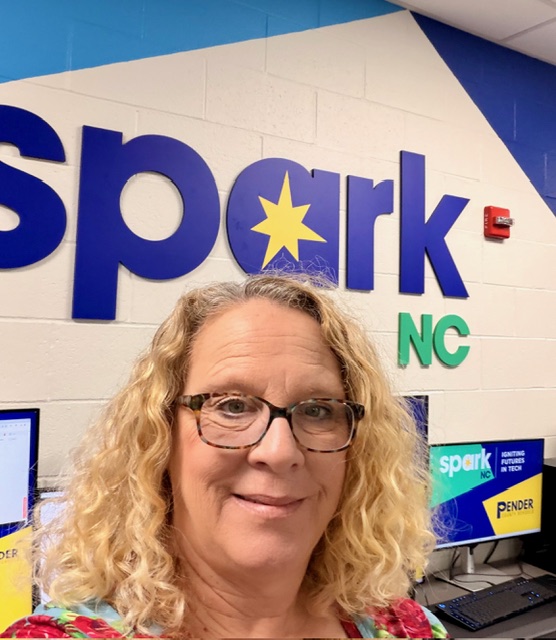
Penny Wolff

SparkLab Leader

Heide Trask Senior High School Pender County Schools • Rocky Point, NC

"Receiving a MakerBot 3D printer opens the door for our Spark Scholars to learn by doing. Students can quickly prototype their ideas, make improvements, and experience the excitement of turning imagination into reality, one layer at a time."

The MakerBot 3D printer will be a central tool in our SparkLab, empowering Spark Scholars to learn by doing, through hands-on design, iteration, and problem solving. Students will use the printer to prototype original ideas connected to their interests, whether they are designing assistive tools, creative products, or solutions to real-world challenges. Being able to hold a physical version of their ideas allows students to test, refine, and improve their designs while building confidence and persistence.

Through both innovation and service, the MakerBot printer helps Spark Scholars see themselves not just as students, but as creators, problem solvers, and contributors. Thus sparking curiosity, creativity, and purpose with every print.

April Benham

PLTW Teacher & Junior High / High School Robotics Coach

Alexandria - Monroe Junior High School Alexandria Community School Corporation • Alexandria, IN

"Having more 3D printers will allow my student groups to develop better assistive devices with less wait time. I can only imagine how this will affect their final products and how positively those results will affect their connection to the real world."

The thought of students making assistive devices for real people struck me as an ideal project to implement with my kids. Student groups follow the steps of the Make:able Challenge: they select an end user, develop empathy for their end user through interviews and simulations, come up with ideas using brainstorming and sketching, develop those ideas further with Tinkercad designs, produce a prototype using 3D printing, and use their end user's feedback to improve the design.

Although the Make:able project can be tough work on the student groups, it is mainly due to the fact that these kids want to make something that will improve the lives of real people. Many times I hear groups of students comment on how big this project is to them because they are making something that can actually help someone.

MOC-Floyd Valley School District • Orange City, IA

Alexandria - Monroe Junior High School Alexandria Community School Corporation • Alexandria, IN

Our K–12 plan for utilizing a MakerBot 3D printer centers on expanding access to hands-on STEM learning and embedding design thinking across grade levels and curricular areas. By increasing 3D printing capacity, we will transform our Maker Space into a technology-rich innovation hub that supports students from kindergarten through twelfth grade. Students will engage in the full design-thinking process—empathizing, ideating, prototyping, testing, and refining—while applying academic concepts in science, mathematics, art, technology, and career and technical education.

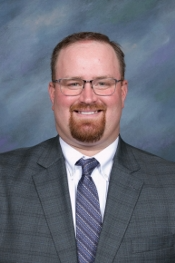
Levi Letsch, High School Principal “We are incredibly grateful for this support, which will help us provide meaningful, hands-on learning experiences for K–12 students. This grant empowers our learners to explore design thinking, creativity, and innovation in ways that prepare them for the future.”

Ben Henker, Technology Support and STEM Lead (K-12)
Angela Stiles

K-5 STEM Lab

Center Grove Elementary School Center Grove Community School Corporation • Greenwood, IN

This grant will open the door for my students to turn their ideas into real creations. Having access to a 3D printer will inspire creativity, support inclusive learning, and give every student the opportunity to explore problem-solving, design, and innovation in meaningful, hands-on ways.
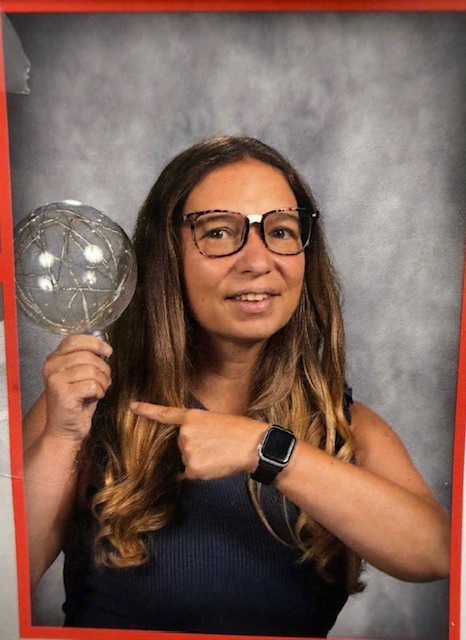
I plan to use the MakerBot 3D printer as an engaging, hands-on tool to enhance learning across grades K–5 by integrating it into robotics, STEM, and core classroom lessons. Students will use the printer to design and create custom attachments for classroom robots, such as tools, holders, and movement enhancements, helping them understand engineering concepts, problem-solving, and the design process. These robotics-based projects will be supported by structured lesson plans that guide students through brainstorming, planning, testing, and improving their designs.

By giving students the opportunity to bring their ideas to life, the MakerBot will help broaden learning experiences, increase engagement, and encourage creativity, innovation, and confidence in young learners.

Explore More Resources for Your Classroom

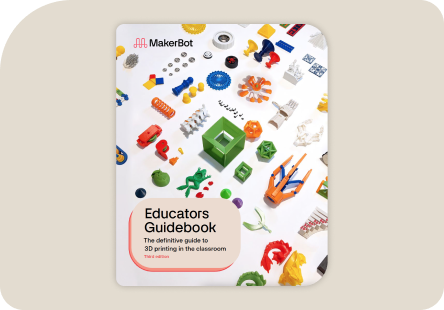
Supporting educators doesn’t stop with grants. MakerBot offers a growing collection of free and classroom-ready educational resources designed to help teachers confidently bring 3D printing into their classrooms—at any stage of their journey.

From lesson plans and project ideas to professional development and classroom tools, these resources are built to support educators and students as they design, create, and learn with 3D printing.

Explore MakerBot’s Education Resources